
Guardians of Water and Territory: Women Lead Environmental Justice in Southern Bolivia
In southern Bolivia, in Tarija and the Chaco, rural and Indigenous women defend water, forests and territory against decisions made without them. With CCIMCAT's accompaniment and GAGGA's support, they turn flexible funding into advocacy: a law protecting urban trees in Bermejo, radio that gives Weenhayek women on the Pilcomayo a voice, and Guaraní oversight of a megaproject in the Aguaragüe.
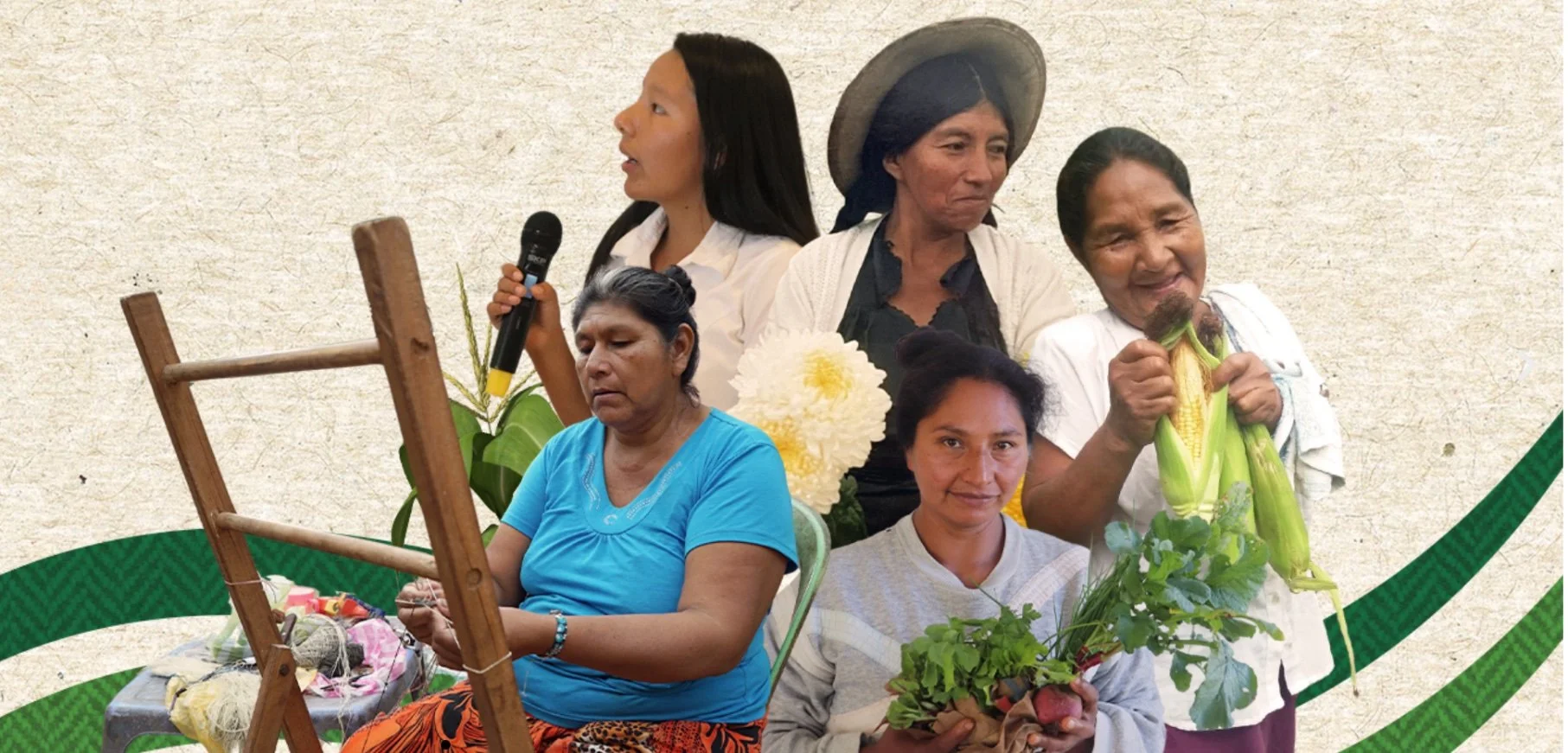
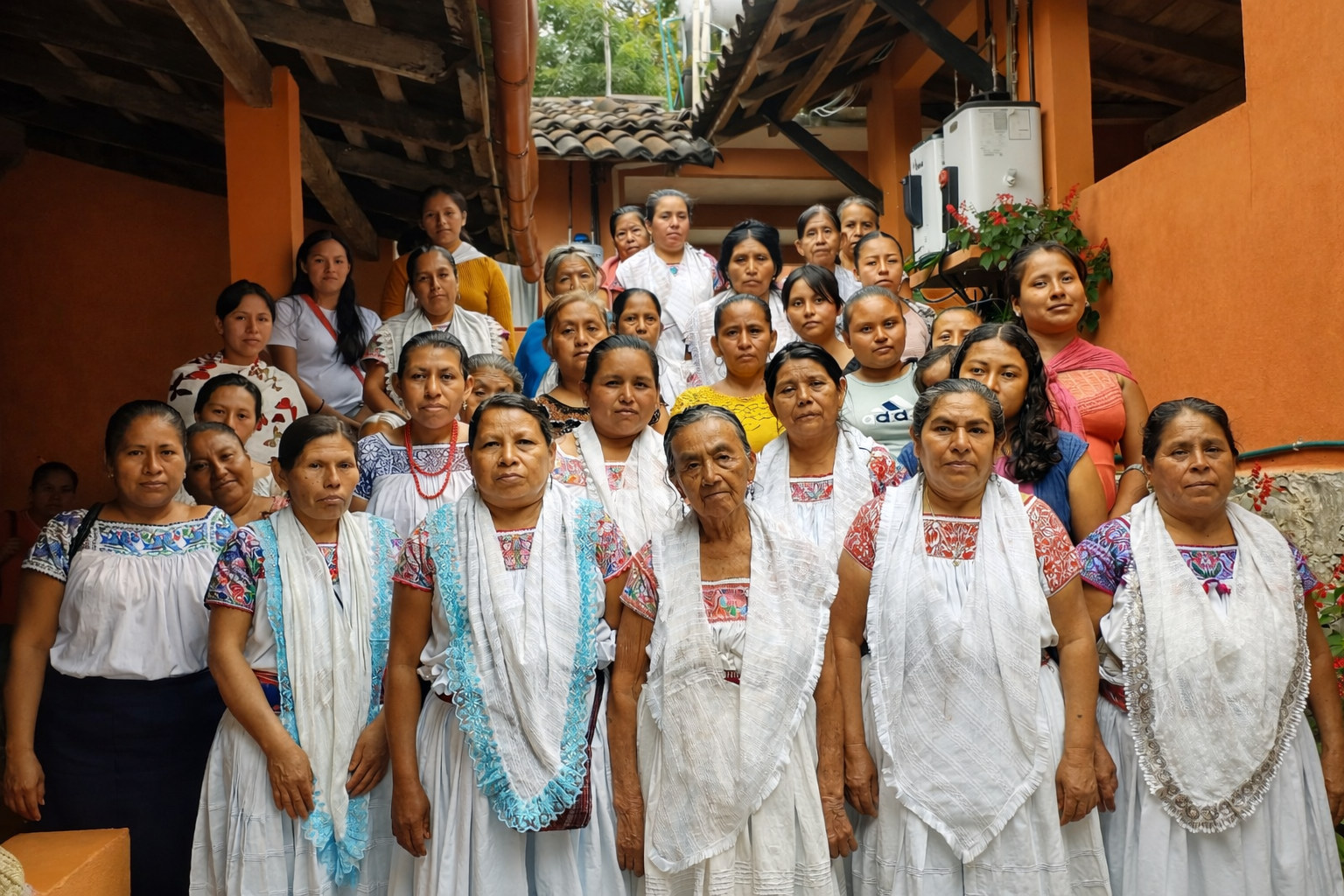
Rural and Indigenous women from Tarija lead the defence of water and territory in southern Bolivia. Photo: CCIMCAT
When decisions about water and territory are made without women
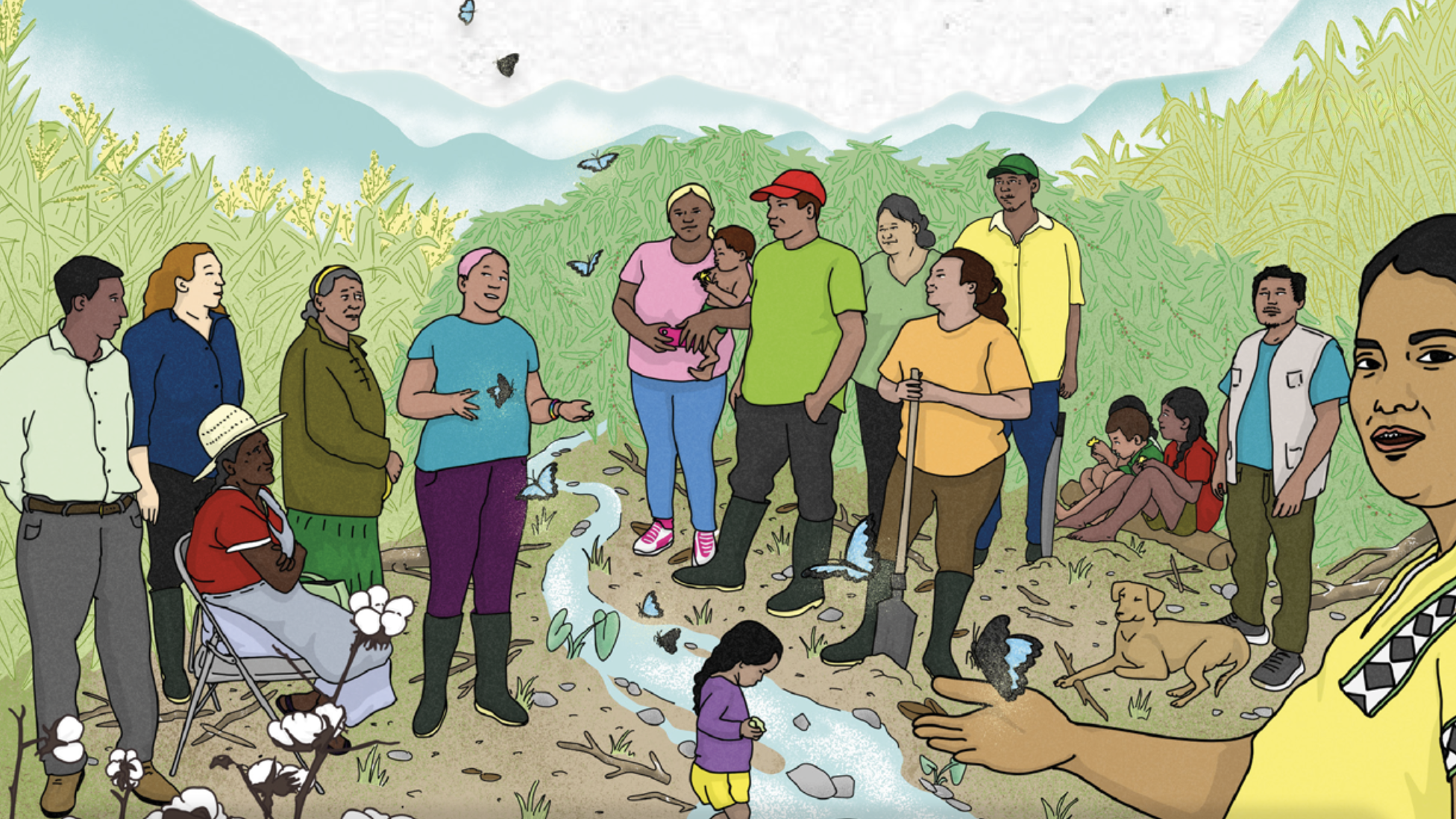
In southern Bolivia, water, forests and land sustain the lives of rural and Indigenous communities. Yet for years the decisions that affect these territories, from public works to laws and projects, were made without consulting the people who live there and care for them, and especially without women. Funding and environmental policy rarely reached the grassroots organizations led by rural and Indigenous women, who know first-hand the effects of climate change: polluted rivers, the loss of water sources, the felling of trees and the pressure on traditional ways of life.
How women turn accompaniment into advocacy
The Center for the Training and Research of Peasant Women of Tarija (CCIMCAT) works to change that reality. With flexible, trust-based funding and the accompaniment of allies such as GAGGA, Both ENDS and BODEM, women in Tarija and the Chaco strengthen their capacities, take up decision-making spaces and turn their voices into political, social and communications advocacy. Three experiences show how that support becomes concrete change in their territories.
How the women of Bermejo turned outrage into a law for the trees
In Bermejo, a border city where trees were falling under the weight of commerce and concrete, a group of women refused to watch the green shade disappear from their streets. Together with CCIMCAT and with support from Both ENDS, the environmental defenders of Bermejo decided to turn their outrage into law.
For months they walked through schools, universities, barracks and public squares. They spoke with students, soldiers, shopkeepers and neighbors, explaining that a tree is not just wood or shade: it is clean air, coolness and life in the border heat. Their persistence achieved something historic: in October 2024, the municipality approved Municipal Law 345 on the Urban Tree and the Protection of Green Areas, which penalizes indiscriminate felling and protects the city's green spaces.
The defenders did not stop there. They brought the law to the people through campaigns, public outreach and environmental education workshops, gave it a human face and turned it into community pride. Today Bermejo has a legal instrument that defends its trees, and the country has an example of how women can shape policy and prove that gender-just environmental justice is possible.
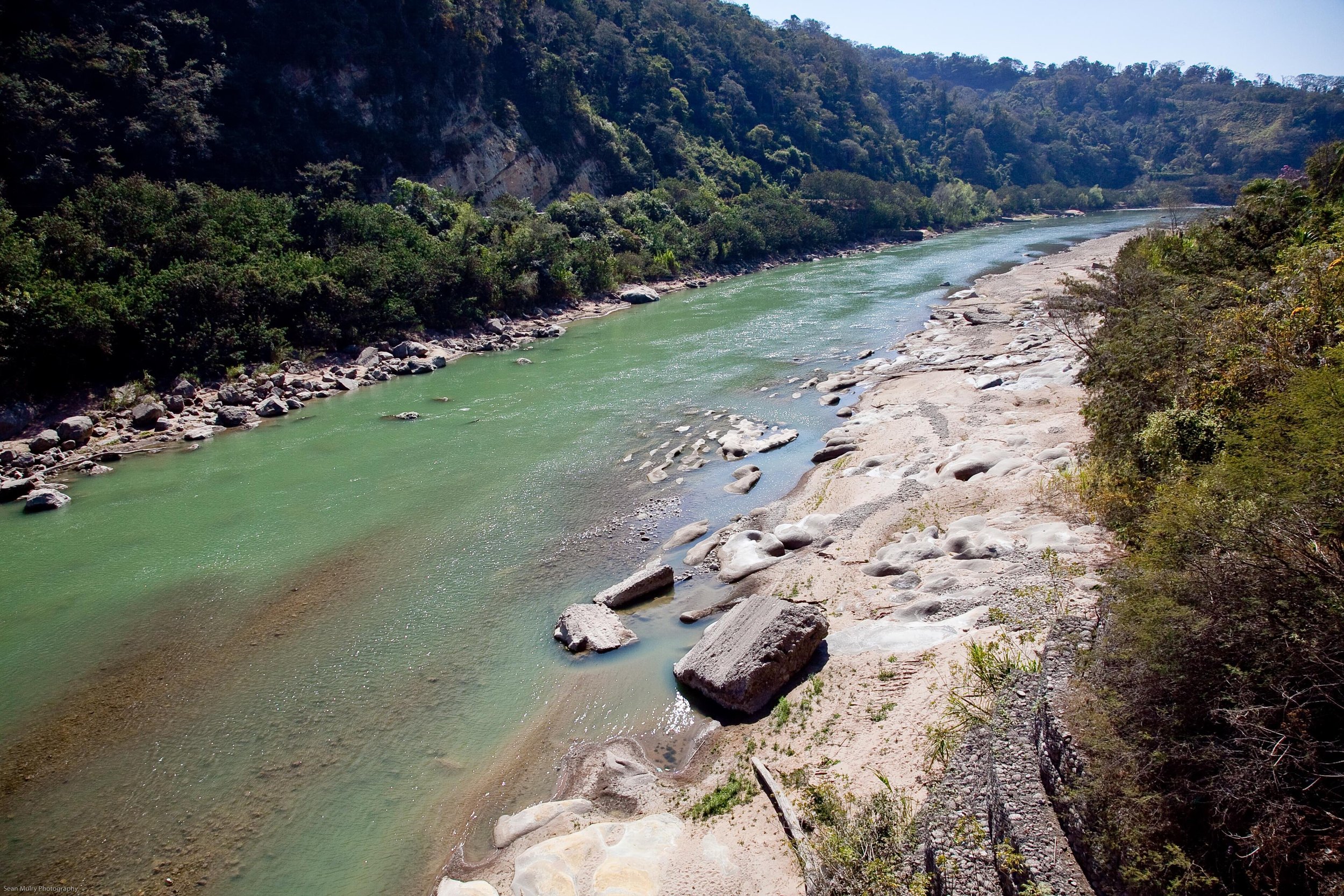
The Bermejo River marks the border between Bolivia and Argentina. In Bermejo, women promoted the Municipal Urban Tree Law.
Photo: Sean Mulry Photography
How Weenhayek women found their voice on the Pilcomayo
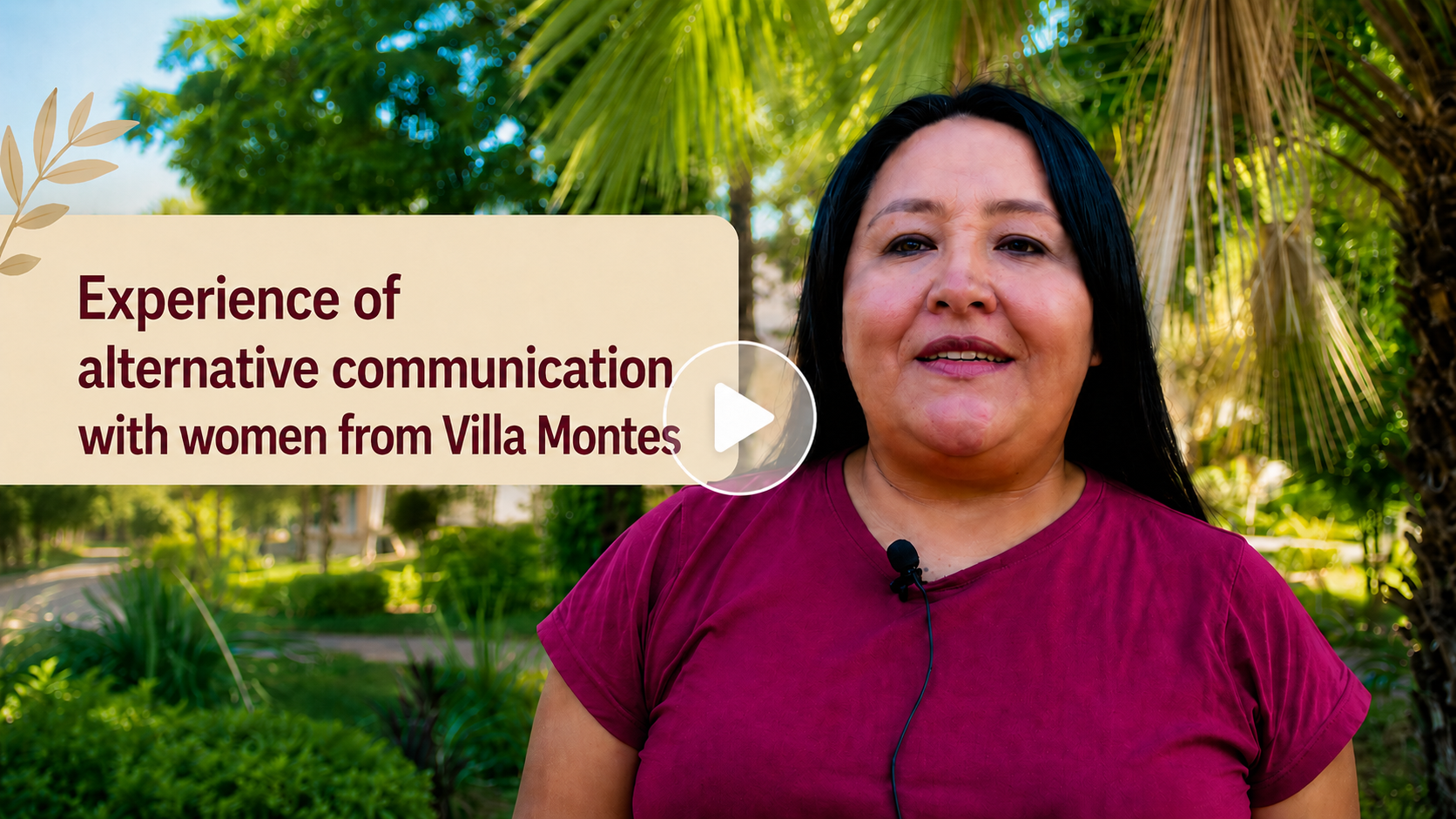
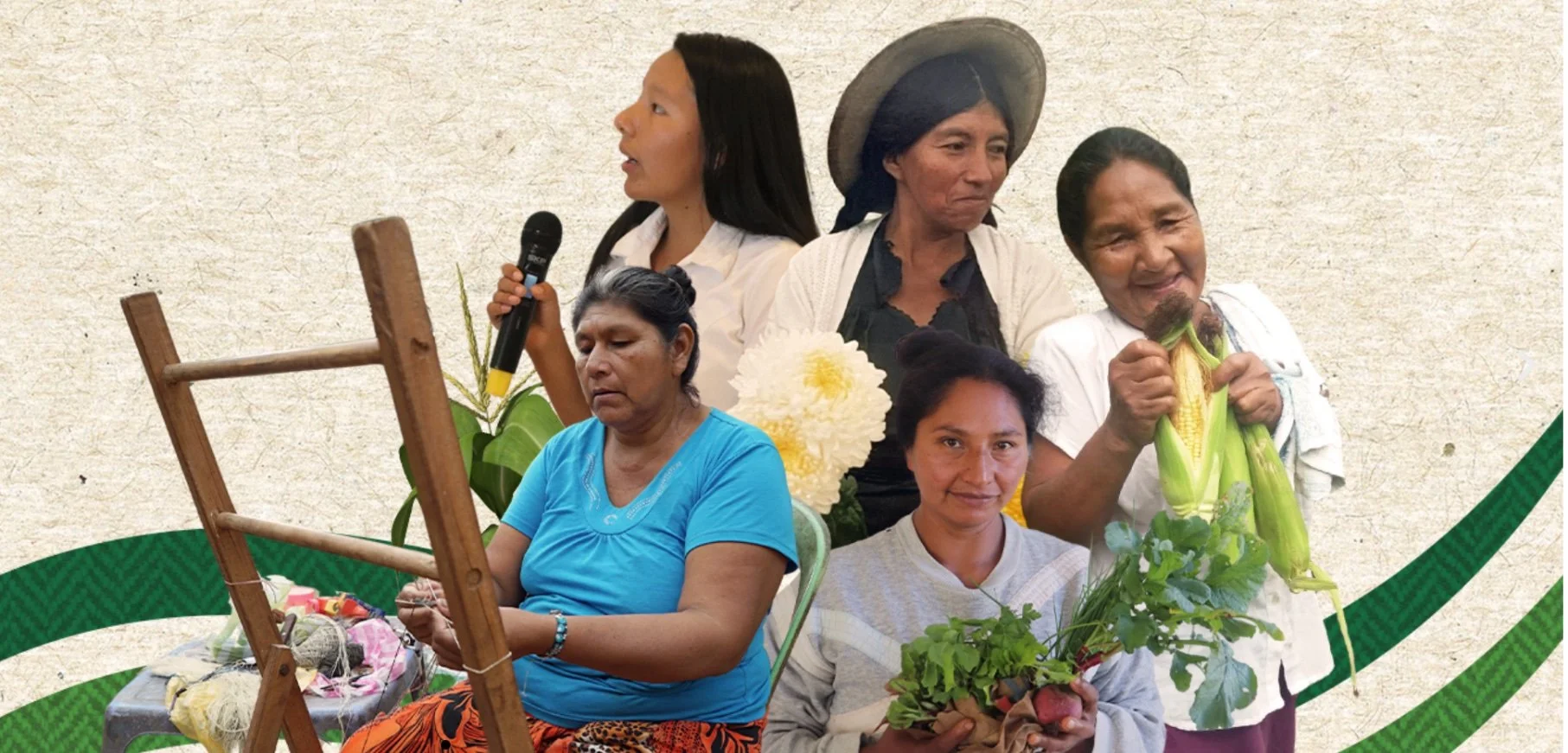
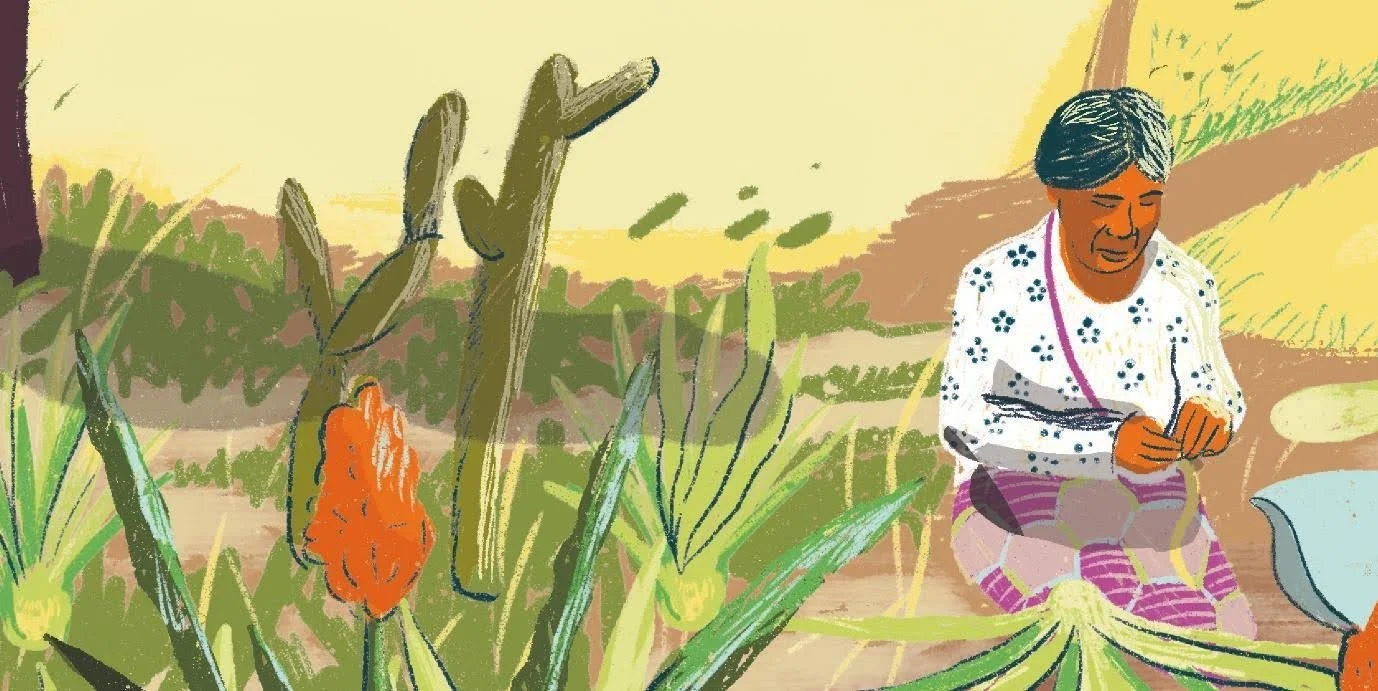
In Villa Montes, on the banks of the Pilcomayo, live the Weenhayek people. Their language, culture and life revolve around water: fishing, gathering and crafts made from caraguata, a native plant that is both livelihood and symbol. For years their voices went unheard, until Weenhayek women found a space to speak in their own language: the radio.
With CCIMCAT's accompaniment and funding from BODEM, they began producing radio programs in the Weenhayek language. From the microphones they told what was happening: the pollution of the river, the threat to fishing, the loss of caraguata and the impacts of climate change on their communities. But they did more than speak: they brought their demands to local authorities and took up community and political positions to defend their territory.
Radio became a bridge. It connected women who had never spoken in public and gave them strength to organize marches, draft proposals and put environmental care on the agenda from their own worldview. Thanks to this process, the Weenhayek language is heard on the radio today, culture is reaffirmed in the communities, and women lead political and social spaces. They defend not just a river or a plant, but the continuity of an entire people.
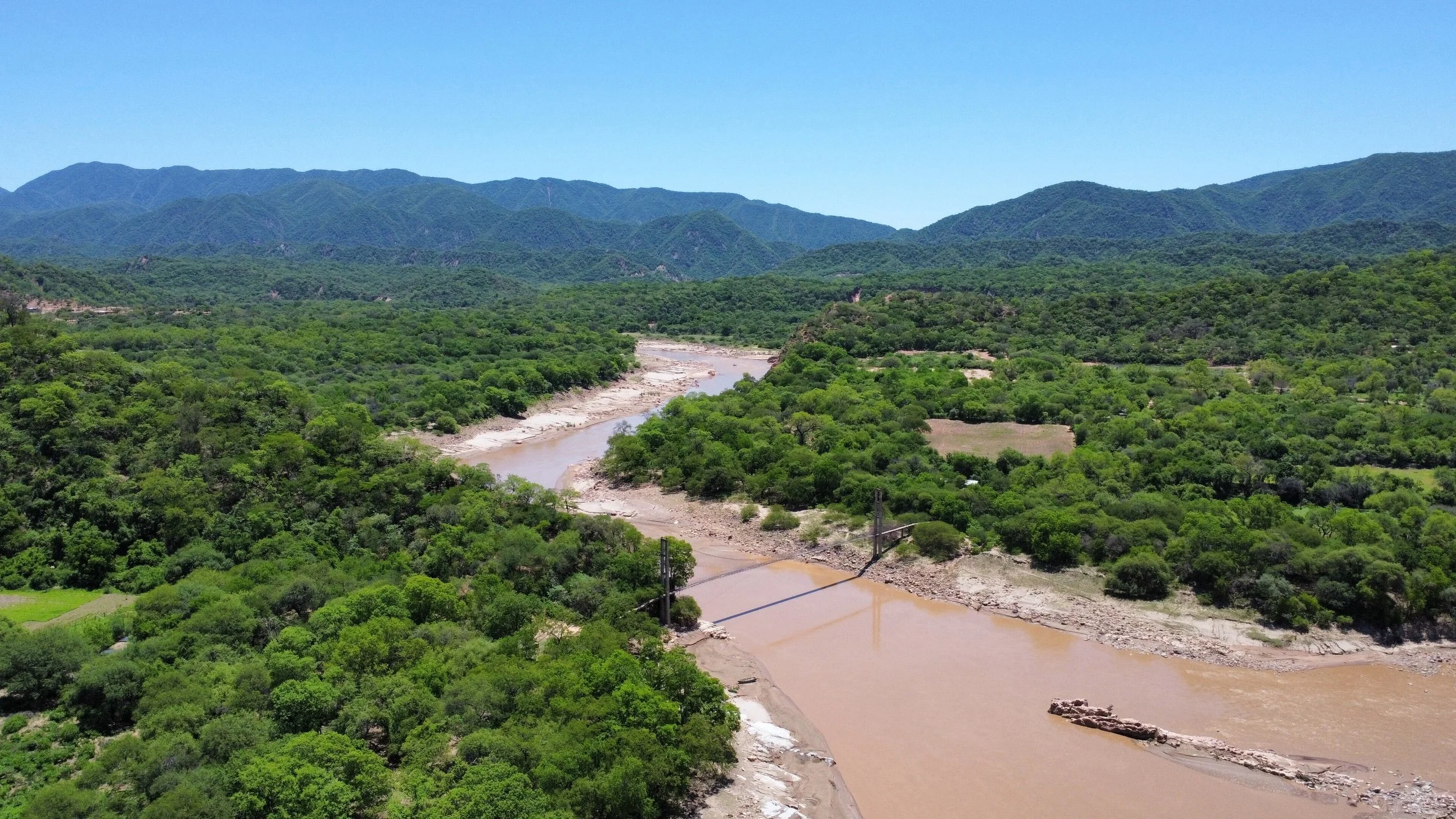
The Pilcomayo River, in the Aguaragüe mountain range, where Weenhayek women bring their voices to community radio. Photo: Ruditaly.
How Guaraní guardians are confronting a megaproject in the Aguaragüe
The Aguaragüe mountain range is a National Park and Integrated Management Natural Area: an expanse of forests and ridges that supplies close to 70% of the water for Villa Montes, Yacuiba and Caraparí. That territory is threatened by a proposal to open the Aguaragüe Tunnel, a road project that would connect Caraparí and Yacuiba and shorten routes, but that could also affect aquifers, flora, fauna and the ancestral life of the Chaco's peoples.
Guaraní women noticed that important decisions were being made without consulting them and that the right to free, prior and informed consultation was not being respected. They built networks among communities in Caraparí, Villa Montes and Yacuiba and organized marches, forums, petitions, podcasts and pieces in local media to warn of the tunnel's risks. They took the message to schools: more than 250 children learned what the Aguaragüe is, why it must be protected and what water means for their lives.
When the government called the public consultations, Guaraní women demanded that the technical studies, the maps of water sources and the potential impacts be presented openly, and they carried out social oversight with documentation, witnesses and community media. In August 2025, the first formal public consultation took place in Caraparí and Yacuiba: some bodies approved the project while others rejected it over environmental risks and the right to consultation. The women secured recognition of several environmental observations as valid and commitments from authorities to implement mitigation measures.
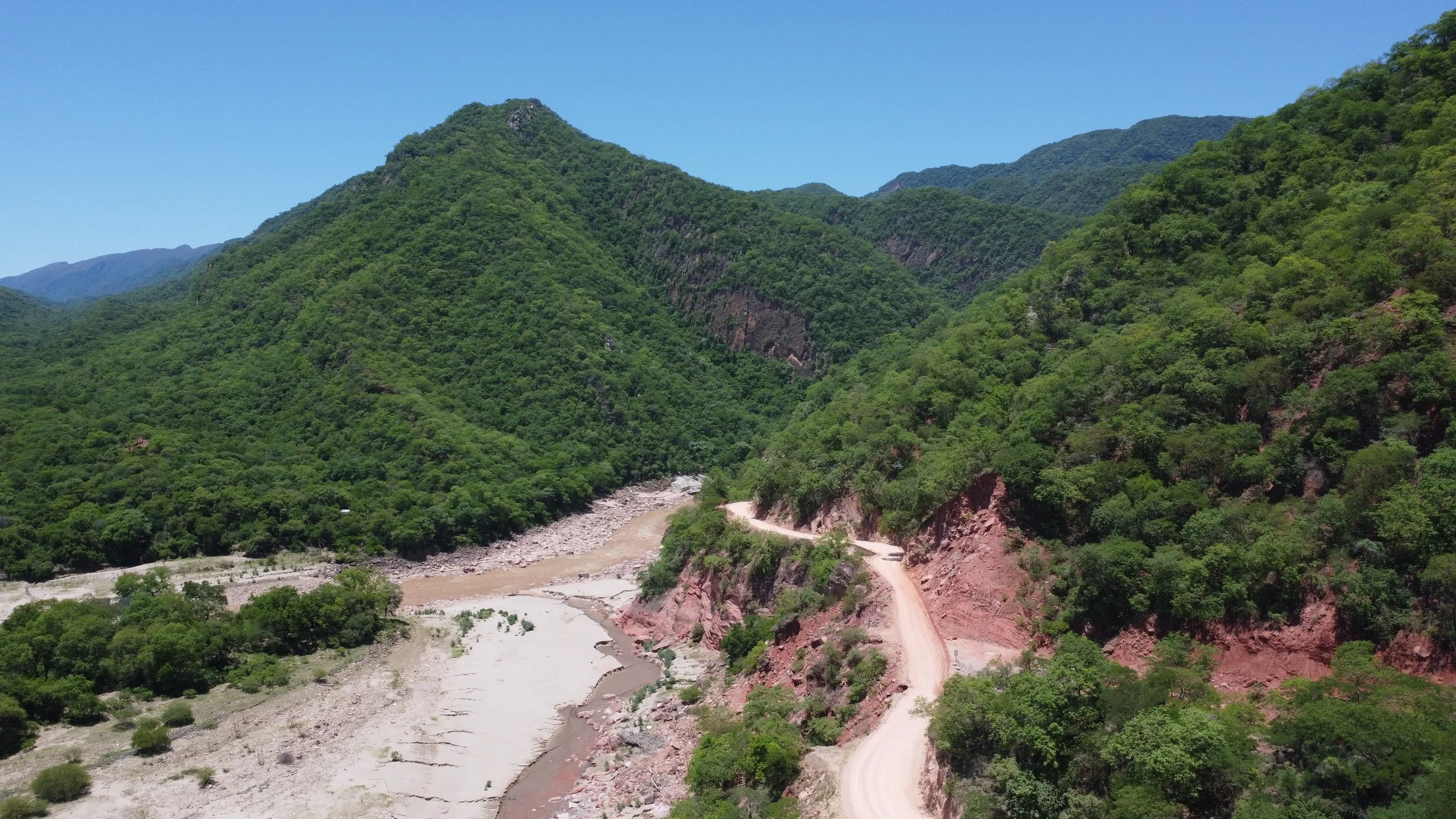
The Aguaragüe mountain range, near Villa Montes, supplies water to the region and is threatened by a megaproject. Photo: Ruditaly
What changes when women decide over their territory
The three experiences share one force. In Bermejo, advocacy became law. On the Pilcomayo, the voices of Weenhayek women are heard again and hold decision-making roles. In the Aguaragüe, Guaraní oversight slowed rushed decisions and opened space for participation. In all three, flexible funding and accompaniment allowed women to move from being ignored to shaping the decisions about water, forests and territory.
What it takes to advance gender-just environmental justice
The experience of CCIMCAT and the women of Tarija and the Chaco shows that gender-just environmental justice advances when women make themselves visible, take up official spaces and demand to be heard; when communications advocacy, through radio, networks, podcasts and forums, becomes a tool of power; and when funding trusts local organizations and reaches the people who care for the territory directly. Sustaining and expanding that support is what will allow more women to decide over their water, their land and their future.
“Sea lo que sea, la manera en la que cuentes tu historia en línea puede marcar la diferencia.”
Connect with the organization

Share this story on social media


