
Women’s Organizations Reshape Climate Finance and Gender Justice in Burkina Faso
In Burkina Faso, women's civil society organizations face deep-rooted barriers to accessing climate finance, including complex funding requirements and the lack of gender-responsive policies. With support from GAGGA, Women Environmental Programme Burkina Faso (WEP Burkina) is helping to shift this reality by strengthening women's leadership, building strategic coalitions, and embedding gender justice in climate finance decision-making at both national and international levels.
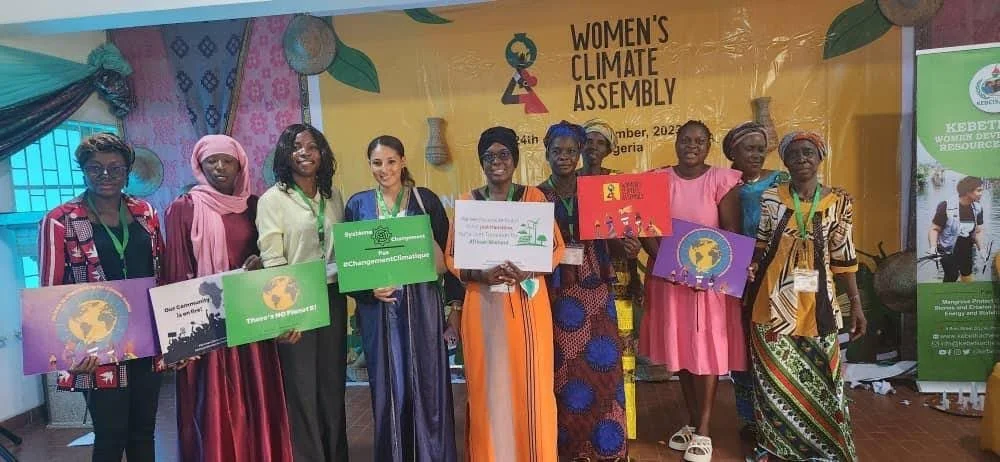
When climate finance excludes women, climate solutions fall short
Access to climate finance is a major concern for Civil Society Organizations (CSOs), significantly limiting their ability to implement actions and projects aimed at combating climate change. Women's CSOs face particular challenges in accessing climate funds due to complex criteria and administrative requirements. Many funds are relatively new and unfamiliar to these organizations. Most CSOs, especially women's CSOs, cannot access these funds because of technical barriers and insufficient information at all levels. Women's CSOs also lack expertise in drafting bankable climate projects and receive limited support on the ground. The absence of clear policies and legal frameworks that explicitly integrate gender into climate action is another major obstacle.
How feminist pathways to climate finance are being built
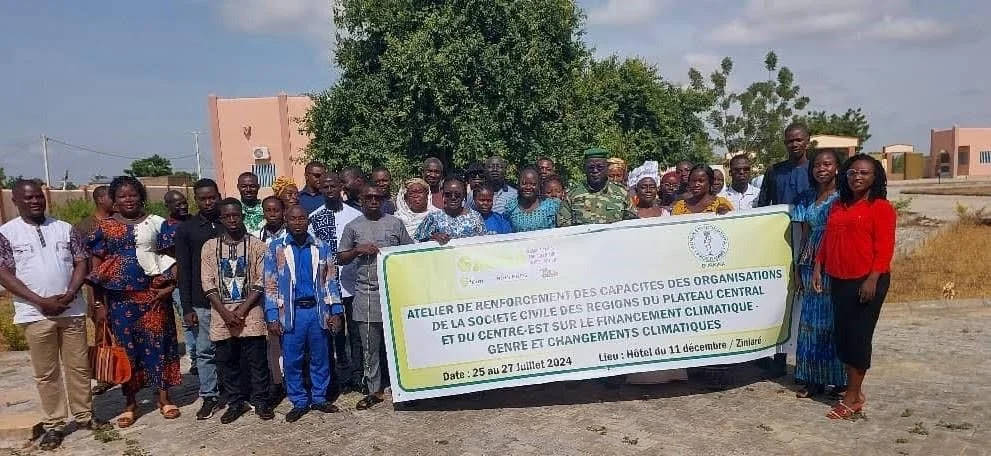
Thanks to GAGGA funding, we implemented a project to strengthen civil society's capacity to access climate finance. We conducted several capacity-building sessions for CSOs to increase their knowledge about existing climate funds at national and international levels. These sessions helped them understand which funds exist, how to access them, and how to set up bankable projects to mobilize funds. We have supported more than 300 CSOs across several regions of the country and are working closely with the Executive Secretariat of the Green Climate Fund (GCF Secretariat), which provides technical support for the implementation of the project. We are also advocating with structures such as the GCF Secretariat and the Accredited Entities to better support CSOs, particularly projects led by women.
To ensure that this increased access to climate finance translated into accountability and meaningful gender outcomes, we complemented these efforts with dedicated gender oversight and collaboration mechanisms:
We established a group of gender specialists, known as Gender Monitors, who act as observers to ensure that gender criteria are consistently considered in projects submitted to the GCF.
We convened focus groups with CSOs to strengthen coalitions and partnerships, and facilitated experience-sharing and networking among women's CSOs through linking and learning events.
How women’s leadership is gaining ground in climate finance
The initiative has helped CSOs better equip themselves to access climate funds opportunities. Through the project, women have strengthened their leadership and actively participated in developing climate solutions and submitting climate projects. They have improved their project drafting skills, and there is now greater commitment and motivation among women to seek local and international funding.
Some CSOs have built strong relationships with regional authorities to mobilize climate finance locally. Growing partnerships and trust within civil society are driving significant momentum on climate finance, creating promising opportunities for collaboration.
Why climate finance cannot be just or effective without women
Women are key agents of change, yet they still lack the funding they need. Their participation is essential to putting climate solutions into practice. Financial institutions must shift their approach by supporting projects led by women's CSOs, strengthening their autonomy and social standing. Women and girls must increasingly take on leadership roles in the decision-making, planning, and implementation of climate action at all levels.
How to support women transforming climate finance in Burkina Faso
Support the women's organizations opening up access to climate finance in Burkina Faso, and champion direct, flexible, and multi-year funding, like the model that WEP Burkina, with the support of GAGGA, has made possible. Burkina Faso's experience shows that when women's CSOs are accompanied with technical training, gender-responsive oversight mechanisms, and spaces for coalition-building, women stop being passive recipients and become leaders, project managers, and advocates in national climate policy. Recognizing, funding, and amplifying women's leadership is the foundation of a climate finance that is truly just, effective, and sustainable.
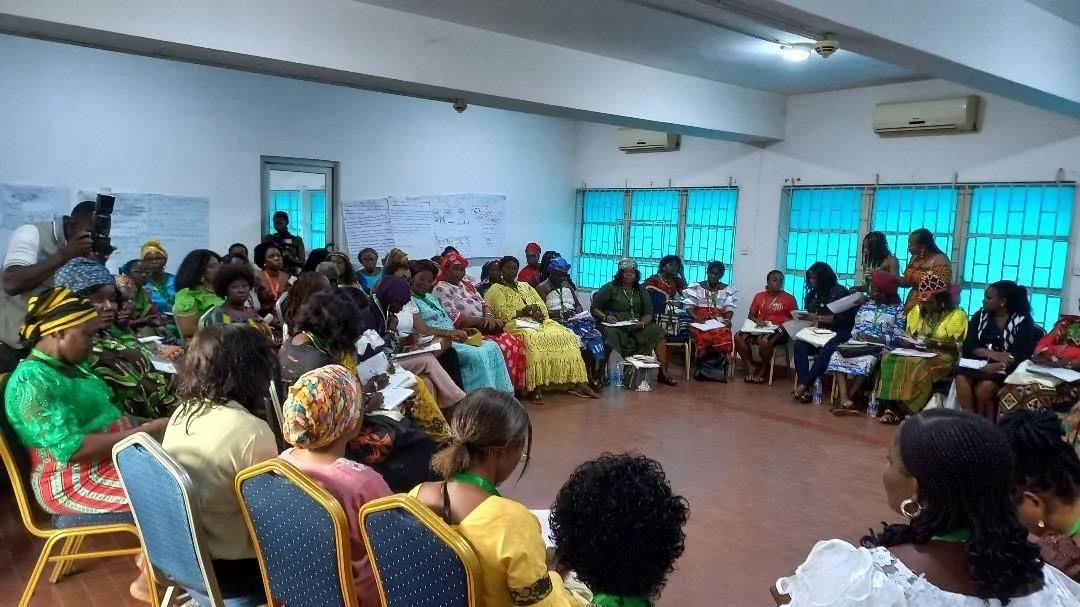
“This training offers an opportunity to gather information and knowledge about what more can be done to combat climate change and about the funding opportunities our organizations can access to expand our efforts in the fight against climate change and environmental protection.”
Video documenting the workshop held in Ouahigouya to strengthen the capacity of civil society organizations on climate finance, adaptation, and community-led climate action.
Connect with the organization
Share this story on social media


