
Women defenders advance climate finance grounded in socio-environmental justice
This story brings together the experiences of women defenders across Latin America who, with the support of GAGGA, have strengthened local capacities, built regional networks, and influenced decision-making spaces to reshape climate finance so that it is grounded in socio-environmental and gender justice.
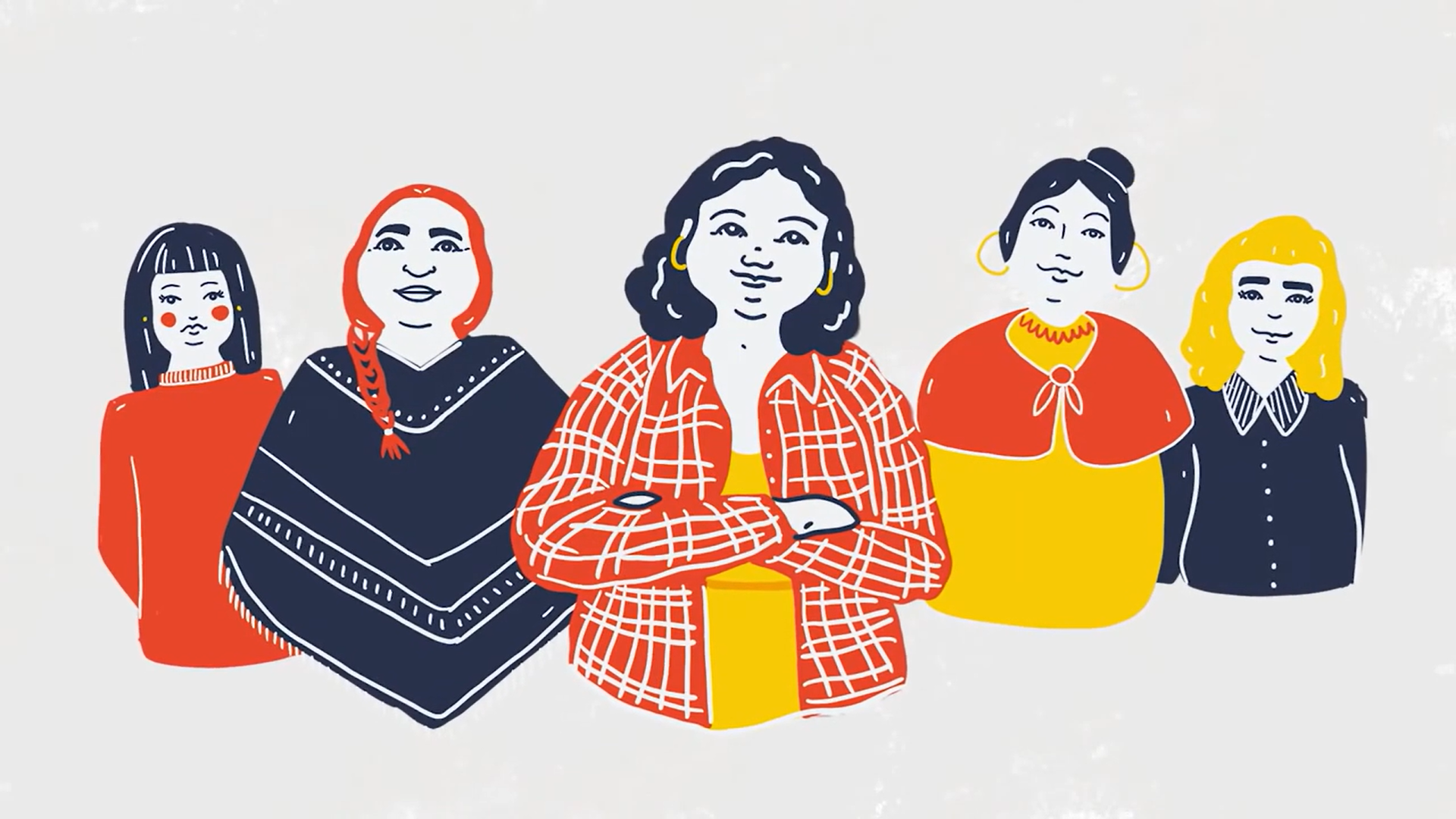
Illustration of women environmental defenders from Latin America and the Caribbean.
When climate finance is decided far from the local communities
The structure and complexity of the current climate finance ecosystem make it difficult for local communities and Indigenous peoples to access resources directly. National governments, financial institutions, and multilateral organisations are prioritised as intermediaries, imposing rigid procedures that are often inaccessible to communities on the ground.
This exclusion reflects a disconnect between decision-making spaces and the territories most affected by the climate crisis. Moreover, affected communities are rarely consulted on projects that perpetuate fossil fuel dependency and deepen extractivism.
As a result, grassroots organisations lack access to direct, flexible, and appropriate funding mechanisms. Climate finance flows remain disconnected from territories and fail to recognise or value community-led efforts to defend nature and biodiversity.
Women are disproportionately affected by extreme climate events. However, this reality is rarely reflected in climate finance projects, which in only a few cases provide limited access to compensation mechanisms.
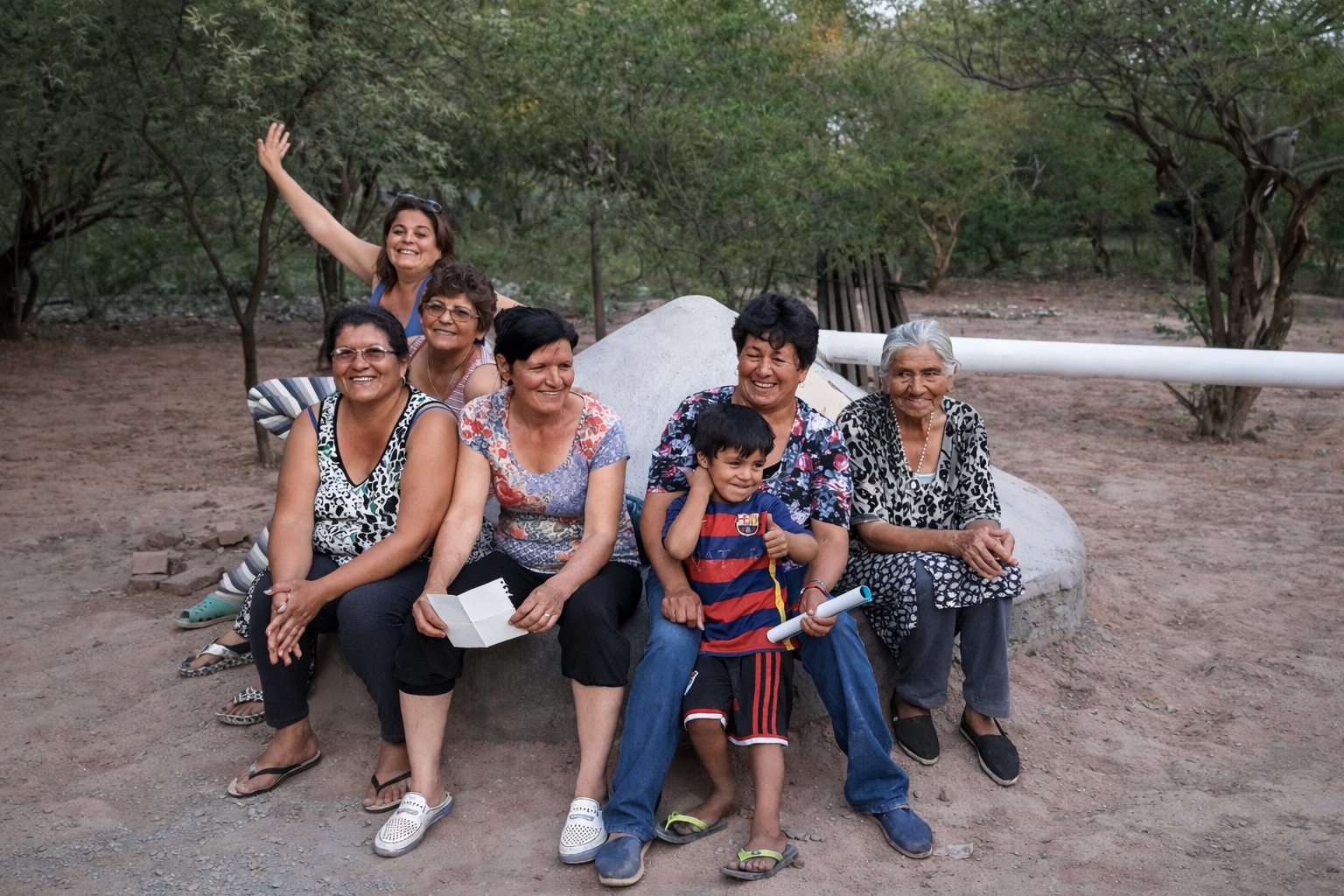
In northern Santiago del Estero, Argentina, women and a child seated on a rainwater harvesting cistern.
How capacities are strengthened, networks are built and advocacy is driven from the ground up
Since 2019, GAGGA funding has supported community-led action across three interconnected areas: capacity strengthening, multi-level advocacy, and the building of networks and alliances.
Two learning pathways were developed with peasant and Indigenous women’s organisations in Bolivia, Paraguay and Argentina. These processes identified advocacy strategies linked to the defence of human rights and access to water as a central pillar of environmental justice. One of the key capacities developed was the construction of rainwater harvesting cisterns.
In communities across the Paraguayan Chaco, four communities built cisterns to respond to drought and water contamination. Guaraní and Ayoreo women led these initiatives and secured support from local authorities, enabling the model to be replicated. To date, nearly 300 cisterns have been built through different funding streams, demonstrating the impact of supporting locally led solutions.
In 2021, with the support of GAGGA and Both ENDS, the Feminist School for Climate Action (EFAC) was created as a space for learning, exchange and collective strengthening among women human rights and environmental defenders. EFAC has brought together a network of defenders across ten countries in Latin America. Beyond training, it has enabled the development of proposals, position papers, communication materials, and a shared advocacy agenda across regional and global spaces.
These outcomes have been made possible through GAGGA/Both ENDS’ flexible funding approach, which supports grassroots organisations (peasant and Indigenous women) to advance their priorities by weaving together ancestral knowledge and context-specific practices.
How local action connects to influence in regional and global decision-making spaces
The experience built up through local action, together with the need to access resources grounded in socio-environmental justice, opened up opportunities for advocacy in regional and global decision-making spaces. Since 2022, with financial support from GAGGA and Both ENDS, women environmental defenders have taken part in COP2 and COP3 of Escazú (2022 and 2024); the 2nd and 3rd Forum of Women and Men Defenders of Human and Environmental Rights of Latin America and the Caribbean (2023 and 2025); the COP16 on Biodiversity (2024); COP4 of Escazú; and COP30 on Climate Change.
Across these spaces, women leaders have called for the integration of a gender perspective, the meaningful participation of women in decision-making, and the recognition of ancestral knowledge, key to defending land, territories and biodiversity.
At the 2nd Forum of Defenders, advocacy focused on reviewing the Regional Action Plan, leading to the inclusion of Indigenous peoples’ realities and a gender perspective. At COP16 on Biodiversity, important progress was achieved: traditional knowledge was recognised as a guardian of biodiversity, and the Cali Fund was established as a mechanism to ensure the fair and equitable sharing of benefits derived from digital sequence information.
These advances highlight the importance of the active participation of women defenders and mark a shift in how grassroots organisations are recognised within decision-making spaces.
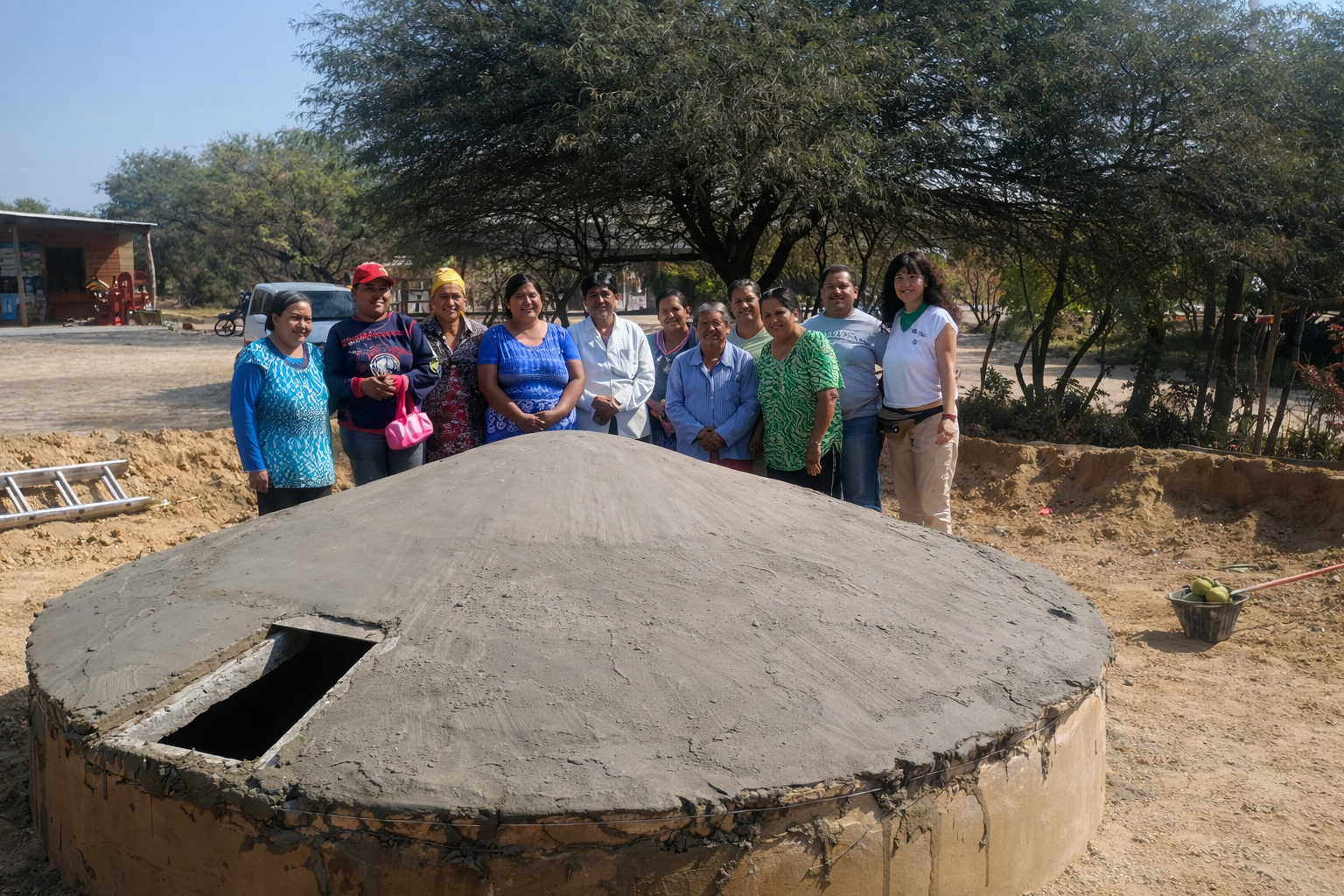
Women from a Guaraní community in the Paraguayan Chaco standing in front of a newly completed rainwater harvesting cistern.
Why just climate finance must be rooted in community leadership
Our experience shows that the current climate finance model must be transformed. Communities and their leadership must be placed at the centre of grantmaking and implementation processes. This shift is essential to overcome existing barriers and ensure that resources reach territories directly, recognising the role of local actors working alongside peasant and Indigenous organisations.
Climate finance must be grounded in the ancestral knowledge and lived experience of women in the territories. These women play a central role in protecting biodiversity and developing resilient, locally rooted responses to the climate crisis.
Flexible, direct and multi-year funding that responds to the specific realities of communities can generate deeper and more sustainable impact. The initiatives supported by GAGGA/Both ENDS clearly demonstrate this.
This approach also strengthens women’s leadership within their communities, challenging their historical exclusion from decision-making spaces and amplifying their voices in spaces of power. In doing so, it contributes to advancing climate finance grounded in socio-environmental and gender justice.
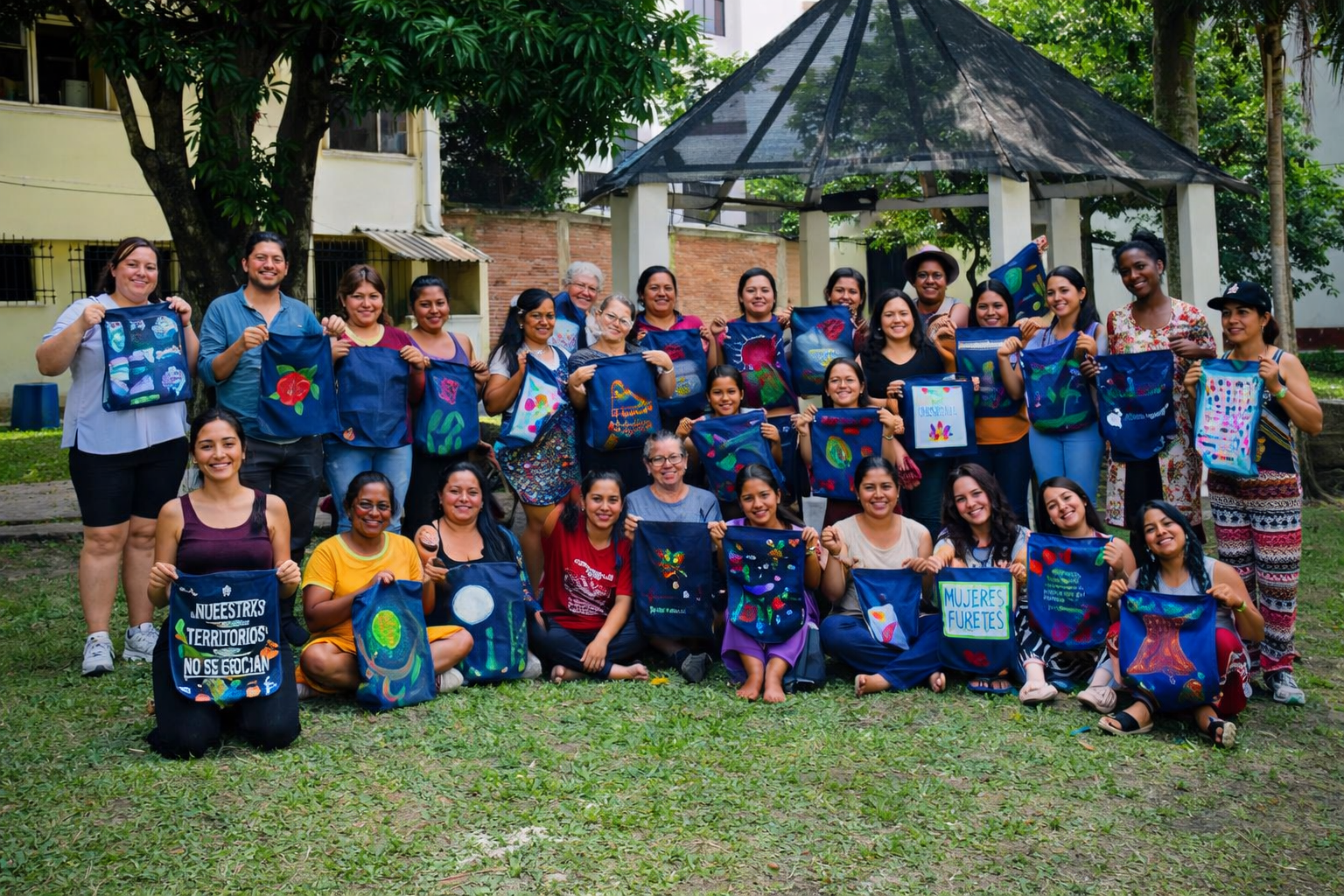
Women pose with their handicrafts during a Women Environmental Defenders Workshop held alongside the COP16 on Biodiversity, Colombia.
How to support the transformation of climate finance
The experience of women defenders across Latin America shows that change is possible when resources reach those who care for life in the territories directly. Donors, cooperation agencies, decision-makers, and partner organizations all play a key role in this process: rethinking funding mechanisms so they are flexible, direct, and multi-year; opening decision-making spaces to the voices of rural and Indigenous women; and recognizing ancestral knowledge as the foundation of climate solutions. We invite those who read this story to learn about the work of Fundación Plurales, share these experiences, and join efforts so that climate finance is built from community leadership. Strengthening rights, linking movements, and influencing change is a collective task.
“I think it is very important to have economic and financial support in the face of these right-wing governments, which favor extractivist projects and ignore the effects of climate change, because we Indigenous communities are impoverished peoples. Subjugated peoples who, for the most part, have not been able to access the basic rights to land, health, education, and territory.”
We believe climate finance must reach those who protect life in their territories. At Plurales, through our Socio-Environmental Fund, we provide small grants guided by this vision. In this video, one of the grantee organizations shares its experience.
Connect with the organization

Email: plurales@plurales.org
Social Media: Youtube | Instagram | Facebook |LinkedIn
Website: mujeresdelsur.org
Share this story on social media



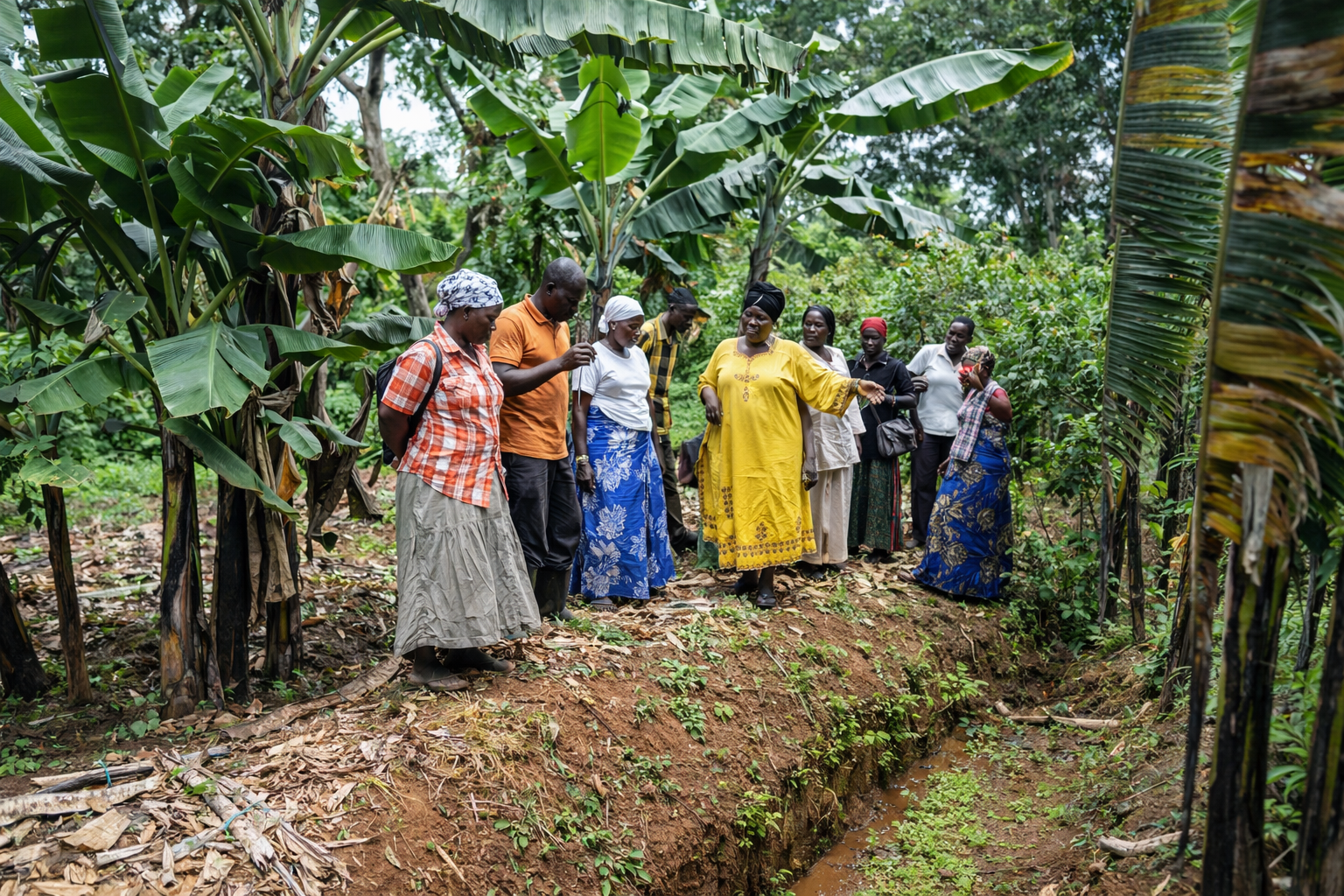
Grassroots women in Tanzania organise, monitor and lead efforts to redirect climate finance toward communities, rights and accountability.
🟣 Policy engagement