
Women Lead Climate Finance Justice in Tanzania: From Barriers to Transformative Action
Historically, climate finance in Tanzania has excluded women, rural communities and locally rooted solutions. Today, through feminist organizing, accountability mechanisms and direct engagement with decision-makers, Women Action Towards Economic Development (WATED) is driving a shift towards more participatory, gender-responsive and locally led financing, showing that when justice is at the center, climate solutions truly work.
This story explores:
How climate finance excludes communities and funds false solutions
In Tanzania, climate finance has long bypassed women, grassroots, and rural communities. Decisions were centralized, with funds flowing to large-scale infrastructure and extractive projects framed as "development" or "climate solutions." For women, especially rural smallholder farmers, fisherfolk, and environmental human rights defenders, accessing these funds is nearly impossible. The procedures are opaque, overly complex, and designed without their realities in mind.
The barrier was clear: women were organizing and innovating at the local level, but finance remained inaccessible, inequitable, and unjust. Funds flowed toward false solutions while sidelining real community priorities.
How women organized to monitor and reclaim climate finance
With support from the Global Alliance for Green and Gender Action (GAGGA), WATED began shifting the narrative on climate finance in Tanzania by organizing grassroots women into collectives to advocate, learn, and lead. We strengthened women's leadership for direct engagement in climate decision-making and built their knowledge on climate justice, human rights, and finance systems through partnership with organizations experienced in these areas.
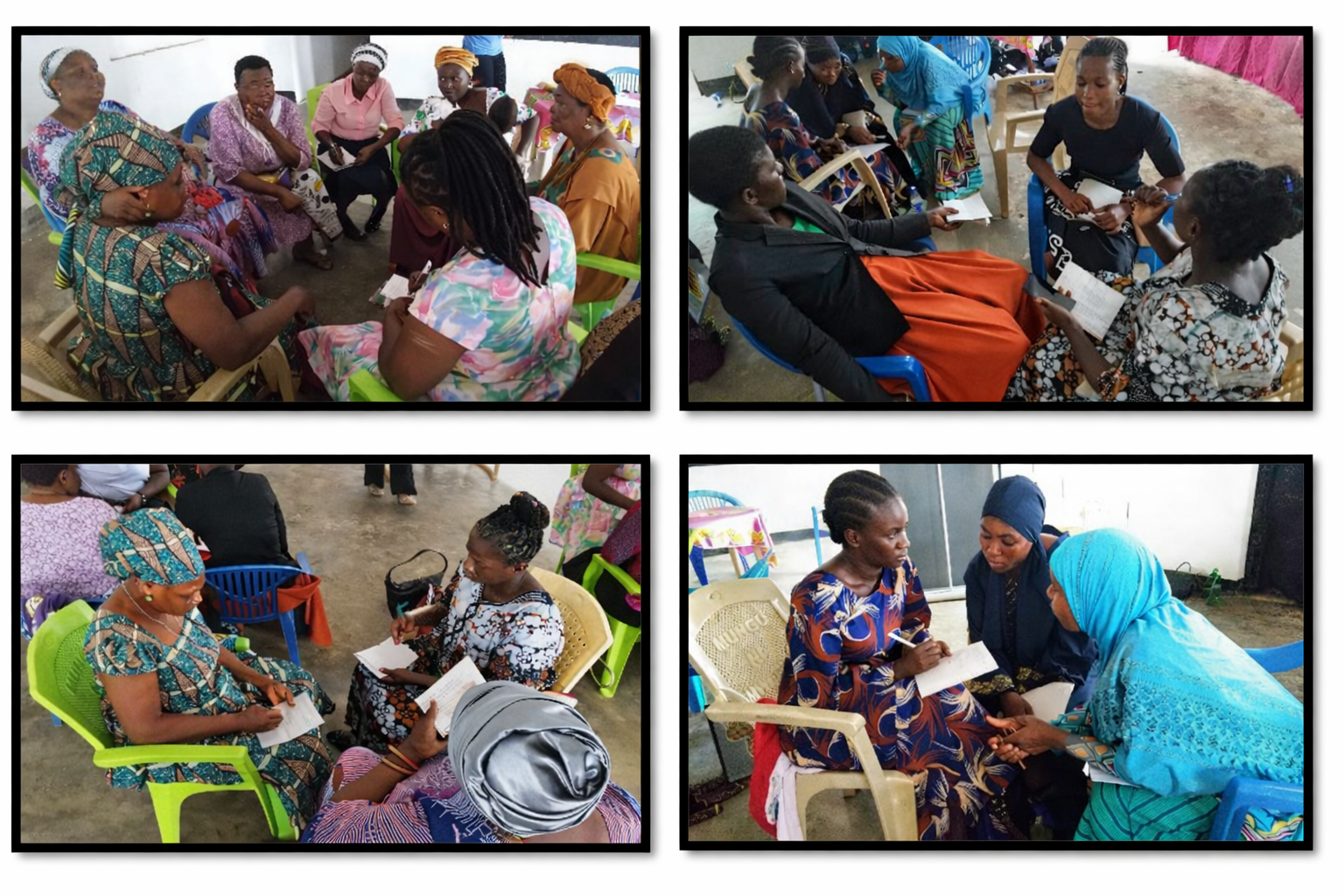
We created spaces for grassroots women (farmers, fishers, small-scale miners, and young activists) to articulate their climate finance priorities. WATED convened dialogues with policymakers and engaged in Human Rights and Environmental Due Diligence (HREDD) platforms, linking climate finance to transparency and accountability.
At the community level, WATED supported livelihood initiatives like the Sunflower Project in Migori, briquette production for clean cooking in Mfuru and Ifakara, and ecosystem restoration in Pangani. These projects showcased women-led solutions that need direct and flexible funding.
To strengthen accountability and keep women's perspectives central, WATED introduced Gender Monitors within its climate finance advocacy. These grassroots women leaders were trained to track, document, and analyze how climate resources were allocated and whether gender commitments were being met in practice. Over time, the Gender Monitors became integral to the Climate Financing Café process, bringing lived evidence from communities into national dialogues. Their presence transformed the Café from a discussion space into a forum grounded in monitoring and accountability, ensuring that commitments translated into tangible benefits for women, youth, and marginalized groups. This integration anchored the Climate Justice Movement agenda as a collective effort, reinforcing solidarity among women's organizations, human rights defenders, and environmental justice actors across Tanzania.
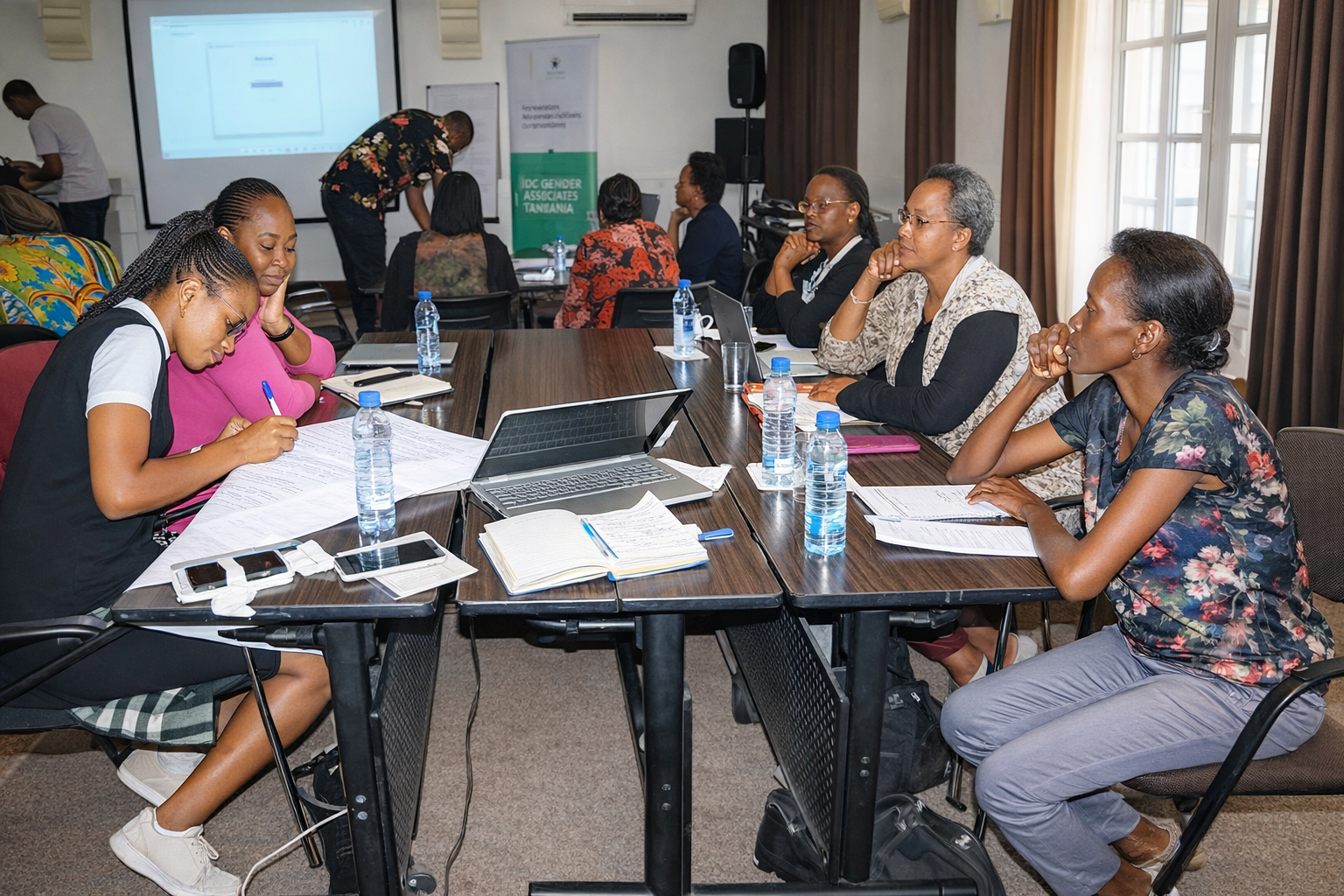
The Climate Financing Café became a flagship initiative of WATED’s advocacy. The Café localized global frameworks like the Lima Work Programme on Gender, creating a unique national space where government officials, parliamentarians, women’s rights organizations, and grassroots leaders could examine barriers to climate finance. Through this dialogue, WATED ensured grassroots perspectives shaped national debates on gender-responsive climate finance.
GAGGA’s role was pivotal. Flexible grants enabled WATED to combine advocacy with practice, convene women human rights and environmental defenders, and bring local voices into regional and global spaces. Through accompaniment, strategy exchanges, and resources, GAGGA helped WATED link grassroots realities with national and global debates on climate finance justice.
How they moved from symbolic participation to political power
At the systemic level, women's participation in climate governance is no longer tokenistic. WATED has influenced debates on gender and climate in government agencies and designated authorities, including the Office of the Vice President (VPO) and the National Environment Management Council (NEMC), and contributed to shaping a Gender Action Plan that integrates climate justice into environmental regulation. Women leaders are now recognized not only as "project beneficiaries" but as rights-holders and decision-makers in climate finance conversations.
The Climate Financing Café created political space for direct engagement between women's rights organizations and national institutions like the Vice President's Office and TAMISEMI. These interactions fostered accountability and policy reflection while recognizing the critical role women play in climate action.
Community-level impacts are also becoming more visible. Women are increasingly being included, though not yet at the scale needed, and there are clear signs of progress. Climate-financed projects through mechanisms such as the GCF, Adaptation Fund and GEF show a growing awareness of, and commitment to, women's inclusion. Working through broad coalitions has enabled progress on women's tenure security and access to land for collective livelihood initiatives. While conversations around energy justice are not yet widespread, there is growing attention to energy access through clean cooking solutions and to building resilience to climate shocks. These are areas where engagement with energy justice and sustainability is beginning to take shape.
Women's confidence to speak in policy spaces has grown; they are no longer just recipients, but leaders deciding how resources reach their communities. The visibility of grassroots-led solutions has challenged finance flows, proving that women's initiatives, rooted in care for land, ecosystems, and future generations, deliver more equitable and sustainable results than externally imposed projects. At WATED, we see that more work is still needed. We have yet to achieve the desired results, as we believe change is a process.
Why there is no climate justice without women
Our story shows that climate finance can only be just when it is accessible, locally led, and gender-responsive. WATED's experience demonstrates that flexible and direct funding for women's groups catalyzes systemic change at the community level.
The Climate Financing Café illustrates how grassroots and national dialogues can connect to international processes like the UNFCCC's Lima Work Programme on Gender. Women's rights organizations advocating at the national level strengthen global debates by providing concrete models of gender-responsive finance.
Globally, this highlights the urgent need for climate finance to move from pledges to practice, and from large-scale inaccessible solutions to genuine people-centered action. Our story challenges donors and governments to dismantle structural barriers that exclude grassroots women and to prioritize participatory, accountable systems that respect human rights.
Tanzania offers a clear lesson: climate finance promises will remain unfulfilled without directing funds to women-led organizations. By making this shift, climate finance can become reparative, transformative, and rooted in justice.
How to support women redirecting climate finance in Tanzania
Support the grassroots women-led organizations that are redirecting climate finance in Tanzania, and champion direct, flexible, and gender-responsive funding, like the model that WATED, with the support of GAGGA, has made possible. The experience of Tanzania shows that when grassroots women are recognized as leaders, when accountability mechanisms place gender at the center, and when spaces like the Climate Financing Café connect community realities with national and global debates, climate finance stops being a top-down promise and becomes a tool for justice. Recognizing, funding, and amplifying women's leadership is the foundation of a climate finance that is truly participatory, accountable, and rooted in justice.
“As participants in the Climate Financing Café, we are recognizing that climate change is not only an environmental issue — it is also a health and intergenerational issue”
Connect with the organization
Share this story on social media


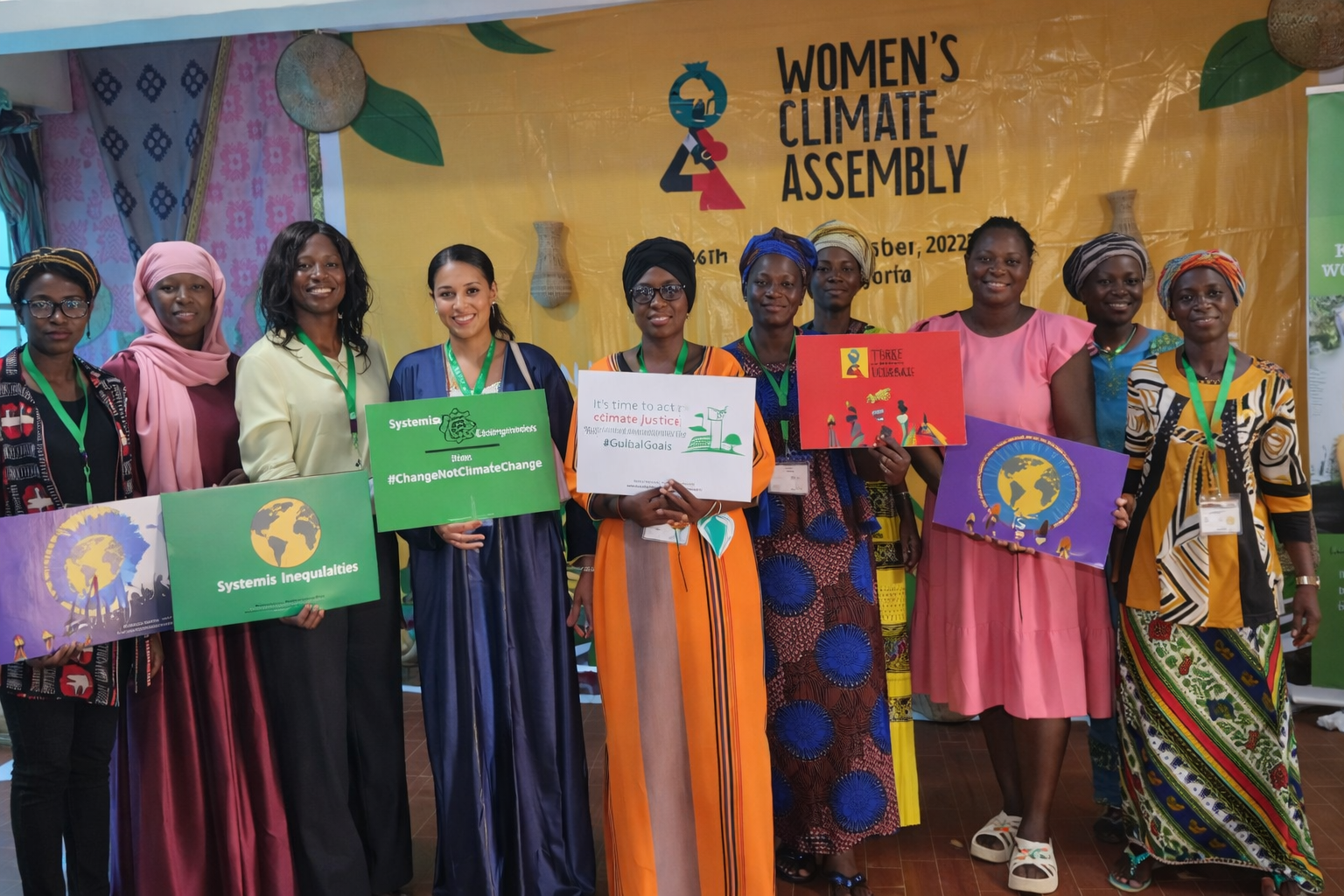
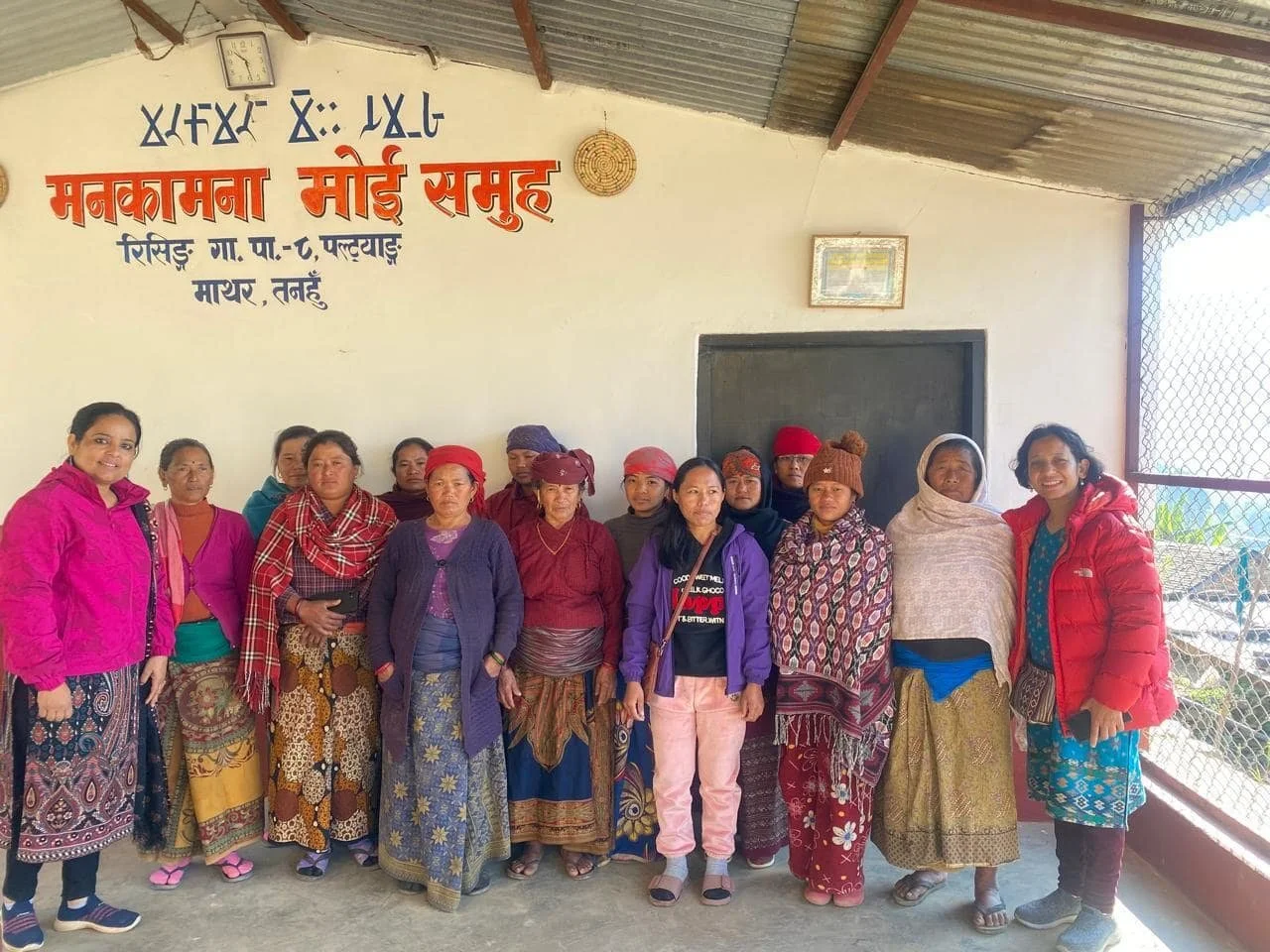
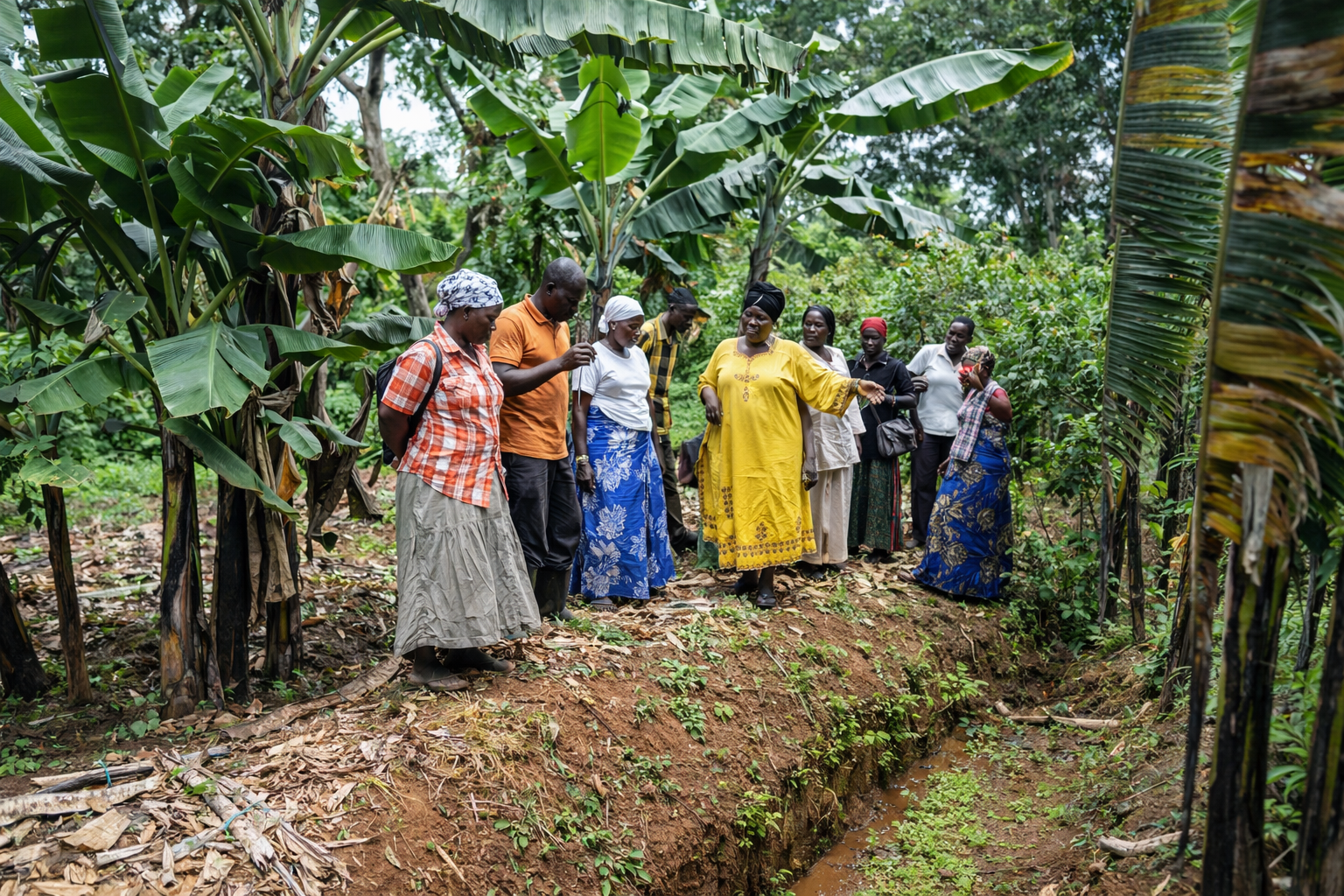
Grassroots women in Tanzania organise, monitor and lead efforts to redirect climate finance toward communities, rights and accountability.
🟣 Policy engagement