
Nicaraguan Communities Secure GCF Withdrawal from Project That Threatened Their Rights
This story recounts how Indigenous and Afro-descendant communities in Nicaragua compelled the Green Climate Fund (GCF) to cancel funding for a project that infringed their rights. It is a powerful example of collective action, meaningful community participation and access to accountability mechanisms within climate finance.
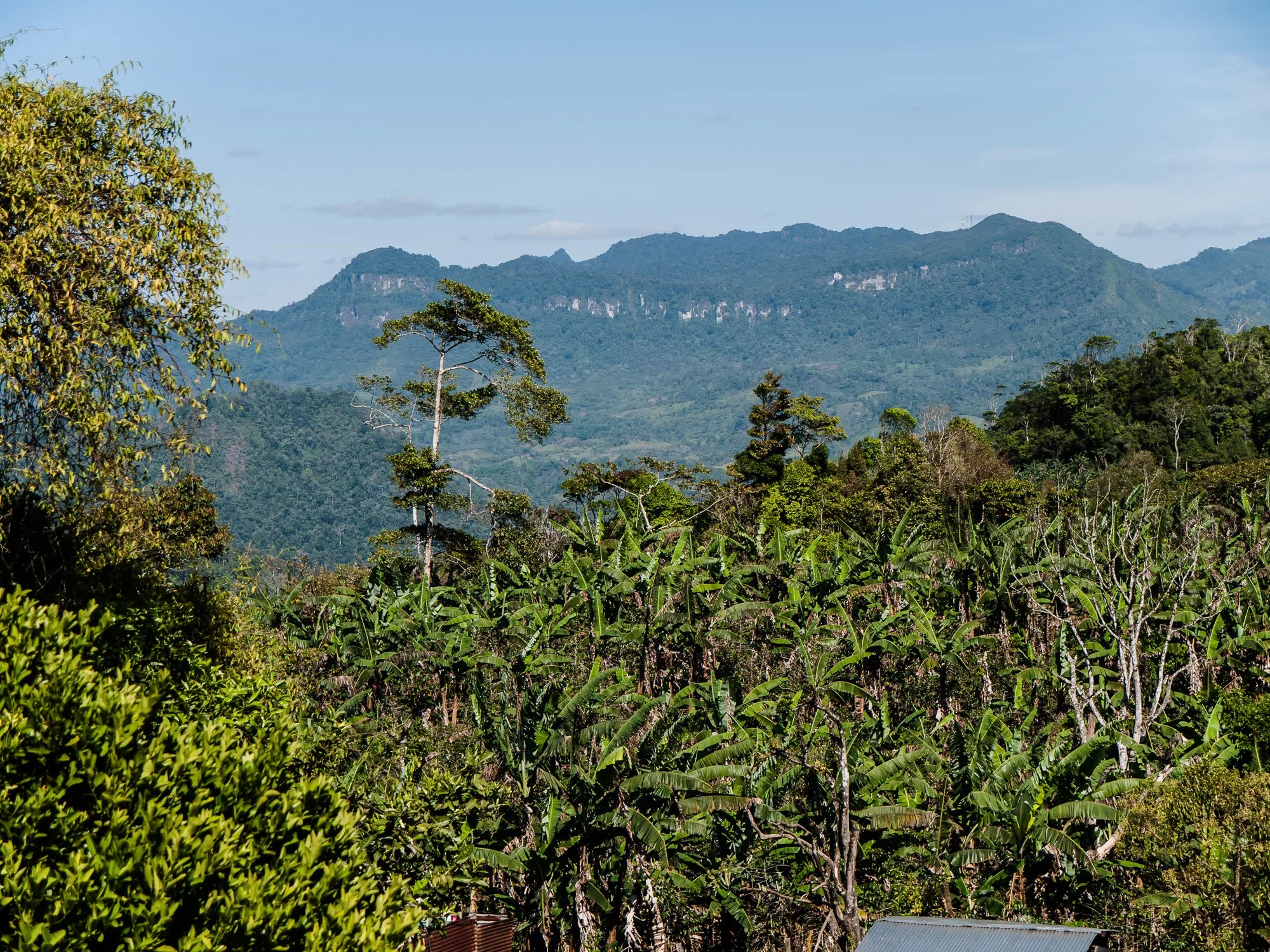
Bosawas Reserve in Jinotega, Nicaragua
When climate projects are designed without communities
In 2020, the Green Climate Fund (GCF) approved the project “Bio-CLIMA: Integrated Climate Action to Reduce Deforestation and Strengthen Resilience in the BOSAWÁS and Río San Juan Biosphere Reserves,” submitted by the Central American Bank for Economic Integration (CABEI). With a $64 million commitment from the GCF, the Bio-CLIMA project aimed to restore degraded forest landscapes in Nicaragua’s most biodiverse region, home to 80% of its forests and the majority of its indigenous peoples, and channel investments toward the sustainable management of land and forests.
Although the project looked promising on paper, it was designed without adequate consultation or sufficient public outreach by the promoting bank. Furthermore, it failed to take into account the difficult context of violence and human rights violations that indigenous communities in Nicaragua continue to face, particularly in the project’s implementation area.
The communities argued that the implementation of the Bio-CLIMA project would have serious negative impacts because:
There was no adequate disclosure of information, no consultation with indigenous peoples, and no free, prior, and informed consent.
The project would cause environmental degradation and increase violence against communities on their indigenous lands due to land colonization.
The conditions set by the Fund’s Board for approving the project were not met (including independent oversight of its implementation and ensuring the meaningful participation of indigenous peoples).
There was a lack of confidence in the CABEI, the entity accredited to channel the funds, regarding its compliance with GCF policies.
There was a lack of confidence in the Nicaraguan government’s ability, as the implementing entity, to fulfill its obligations in carrying out the project.
How communities defend their rights before the GCF through complaints, advocacy and collective action
With the support of local and international organizations, representatives of the affected communities filed a complaint in June 2021 with the GCF’s Independent Redress Mechanism (IRM). This body handles complaints from individuals affected or potentially affected by projects funded by the GCF.
The investigation launched by the Mechanism included fieldwork and in-person and virtual interviews with all stakeholders. The findings confirmed some of the allegations in the complaint, including the lack of adequate consultation processes and the failure to obtain the free, prior, and informed consent of the affected communities. This is confirmed in the final investigation report.
In July 2023, the GCF Board was supposed to decide the future of the matter based on the investigation report. However, it delegated the task to the organization’s Secretariat, deviating from established protocol. As a result, neither the Independent Redress Mechanism nor the complainants had any further say in the matter. The communities had to manage their own participation and advocacy. With the support of the organizations that had accompanied them since the complaint was filed, the communities managed to influence the decision. They did so through media campaigns, conversations with key actors, and, ultimately, by meeting with those who would make the final decision. In this way, they were able to explain in their own words the reality they were living and what it would mean for them if the project went ahead. This process was supported by GAGGA, which provided resources to pursue the case and to accompany the GCF Board meeting where it was discussed, as well as backing the advocacy and outreach that helped secure a favorable decision.
On March 7, 2024, the Secretariat announced its decision: to terminate the funding agreement with the project. It acknowledged that the developers had violated the Fund’s policies, as the communities had alleged in their complaint.
How communities succeeded in stopping a GCF project, setting a historic precedent
Following the filing of the complaint and an extensive investigation, the Green Climate Fund, the world’s leading multilateral climate finance institution, decided to terminate the funding committed to the Bio-CLIMA project. The reason: the developers failed to comply with the institution’s policies and procedures regarding social and environmental safeguards. The investigation confirmed that the project threatened to exacerbate the violence already suffered by Indigenous and Afro-descendant communities, violating their rights. The Fund had not disbursed any funds, and implementation of the project had not begun.
This decision is the first of its kind in the Fund’s history. It recognizes the tireless efforts of the communities behind the case, who succeeded in demonstrating the difficult situation they faced. It also underscores the importance of involving local communities in all stages of a project, starting from its inception. It serves as an important lesson for the Green Climate Fund, whose policies and safeguards are designed to prevent such situations and must be rigorously applied from the very outset of projects seeking financing.

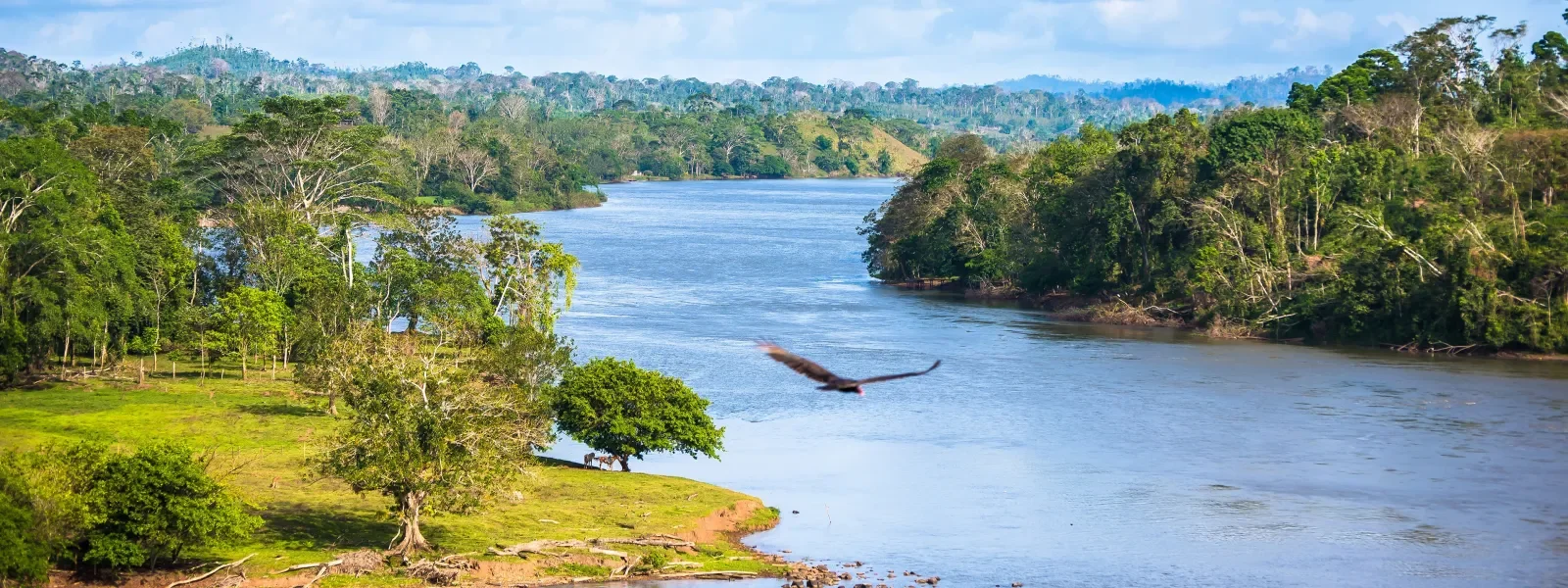
Mayangna indigenous canoes traveling along the Lakus River, Bosawás Biosphere Reserve, Nicaragua. Photo by Joe Towsend
Why community participation defines the legitimacy of climate finance
This landmark case demonstrates the importance of early, transparent, and inclusive consultation processes in climate finance projects. It also highlights the need for rigorous social and environmental standards that take into account the political context of the locations where they will be implemented.
It is essential to adhere to the highest standards of public participation from the design phase onward. This helps ensure that critical realities, such as the context of violence and human rights violations that existed in Nicaragua, are not overlooked.
Participation and consultation processes cannot be mere formalities intended to meet the funder’s requirements. They must be central to the process and taken into account from the very beginning of project design. Only then will the funding reach its full potential and the projects achieve legitimacy and success.
The institutions responsible for climate finance must ensure that communities are actively involved in every stage of each project. The success and legitimacy of climate finance go beyond financial resources: they depend on valuing and ensuring community participation at every stage of the project.Without communities at the heart of every step of the process, there will be no just or effective climate finance.
How to support communities defending their rights in climate finance
Support the Indigenous and Afro-descendant communities defending their rights in the face of climate finance that excludes them. Champion robust accountability mechanisms, rigorous socio-environmental safeguards, and genuine consultation processes, like those AIDA has supported alongside the communities of Nicaragua, so that every climate project respects the rights of those who inhabit the territories.
“As members of civil society, we continue to believe in international mechanisms that protect and include safeguards, and we believe that funded climate projects should not violate the rights of those living in the areas where they are carried out.”
Read the press release about the cancellation of GCF's support for the Bio-CLIMA project:
Communities in Nicaragua win Green Climate Fund withdrawal from project that violated their rights
Connect with the organization
Email: aida@aida-americas.org
Social Media: Facebook | LinkedIn | Instagram
Website: aida-americas.org
Share this story on social media


