
Lessons from RECLIMA: Participatory Monitoring of the Green Climate Fund
What happens when communities actively participate in monitoring Green Climate Fund projects? This story highlights the lessons learned from RECLIMA in El Salvador and shows why participatory monitoring is key to improving implementation, transparency, and gender equality.
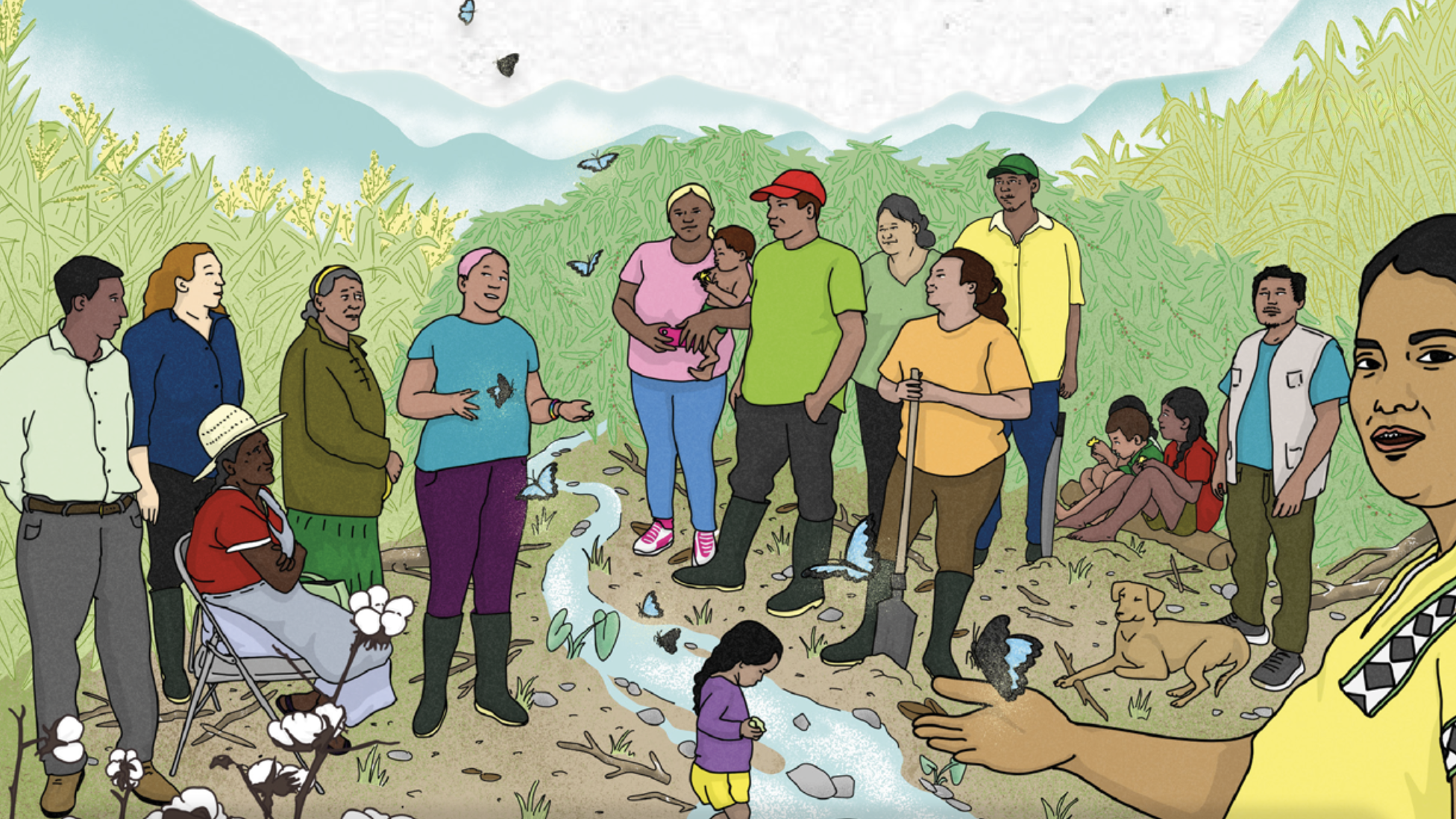
Illustration @marie-piedra12
When climate finance is implemented without local oversight
Historically, civil society organizations and networks that monitor the Green Climate Fund (GCF) have focused on overseeing project approvals. Their goal: to amplify the voices of local communities and ensure compliance with social, environmental, and gender safeguards during the design phase.
After more than a decade of the Fund’s operation, civil society has also begun to prioritize monitoring during implementation. The GCF Governance Instrument stipulates that projects must undergo periodic assessments of their impact, efficiency, and effectiveness. The Secretariat also guides accredited entities to include civil society in these processes, promoting participatory monitoring practices aligned with its Environmental and Social Management System.
In practice, however, the Secretariat does not visibly promote or support this approach. The lack of clear guidelines, funding, and outreach by the designated national authorities and implementing entities severely limits the participation of local communities and organizations in monitoring funded projects.
In Latin America and the Caribbean, we have little information on the development and implementation of projects approved by the GCF. This prevents us from assessing the actual results of this funding.
With support from GAGGA’s Linking & Learning program, the organizations RIFA, AIDA, FCAM, Fondo Tierra Viva, and WEDO joined forces to launch a participatory monitoring initiative for the FP089 – RECLIMA project, funded by the GCF and implemented in El Salvador.
How civil society monitors climate finance with a gender perspective and accountability
This initiative served as a pilot project to establish a participatory process for monitoring GCF projects in Latin America, led by civil society actors and with the active participation of local communities. The main objective was to promote a collective analysis of RECLIMA’s implementation based on two key questions:
Does the project meet the commitments outlined in its funding proposal, particularly with regard to its Gender Action Plan?
Does the project address the needs and expectations of the community and the surrounding area, including identified gender-specific needs, and promote gender equality?
The participatory monitoring effort received crucial support from the Unidad Ecológica Salvadoreña (UNES), an organisation focused on environmental and gender justice that led the fieldwork. The process took place between April and December 2023, using the following methodology:
Document review of the RECLIMA project;
Interviews with key stakeholders of the RECLIMA project;
Focus groups with community leaders participating in the project;
Feedback sessions with interviewees and focus group participants.
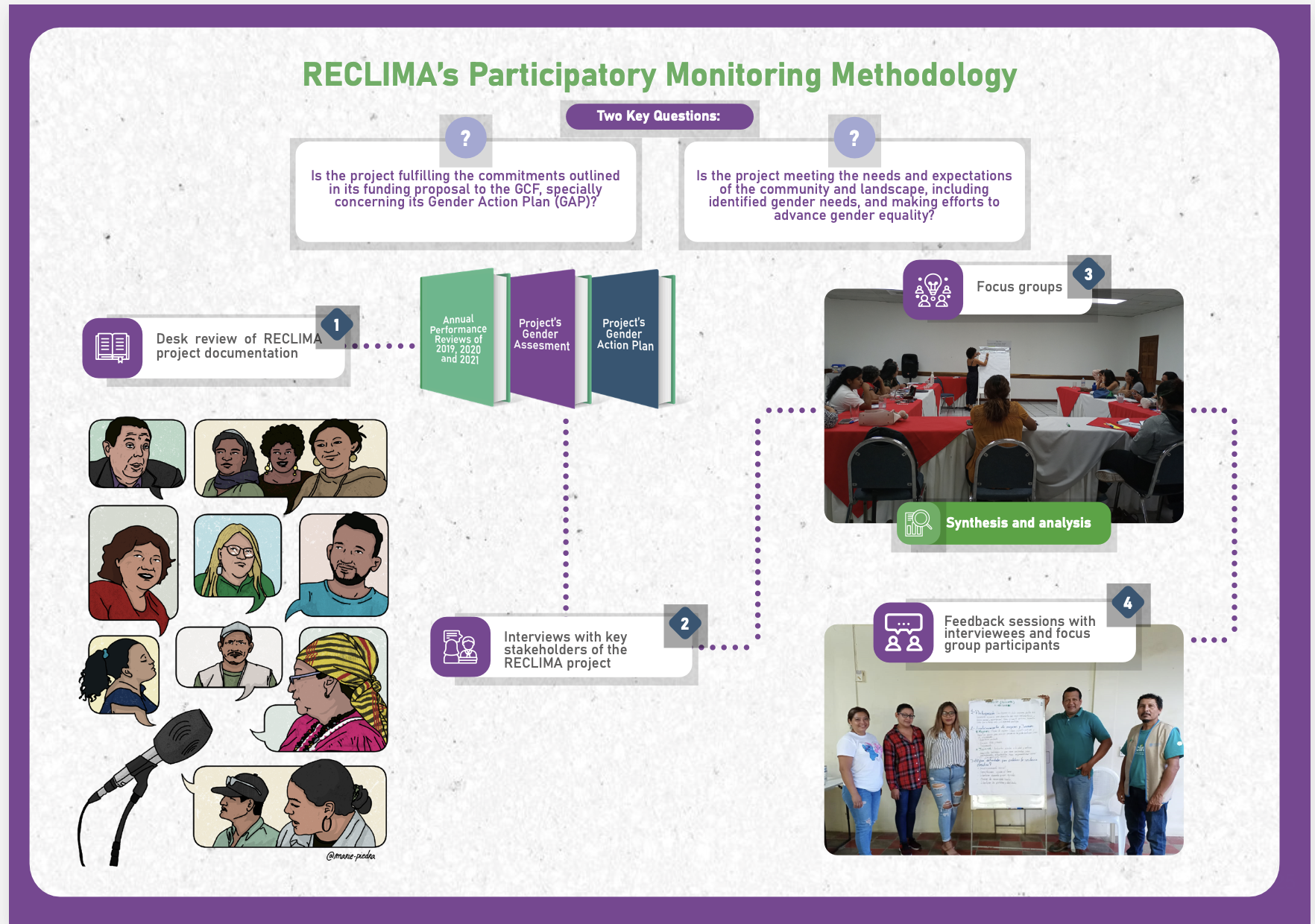
Infographic: AIDA. Illustrations: @marie-piedra12
How processes shift from formal oversight to collective learning and project improvement
This participatory monitoring process has provided valuable insights into the implementation of the RECLIMA project in El Salvador and into other projects and programs funded by the GCF.
Although gender is presented as a priority in RECLIMA and the accredited entity has taken significant steps to ensure a gender-sensitive climate project, gaps and opportunities for improvement still exist. The interviews, focus groups, and analyses conducted during the participatory monitoring revealed that the project’s Gender Action Plan was not achieving a transformative impact. In this regard, the participatory monitoring enabled recommendations to be made to the accredited entity to improve the quality of the project, particularly regarding its gender aspects. These recommendations are also valuable for other projects financed with international climate funds.
This initiative highlights the urgent need to ensure transparent and participatory processes during implementation, recognizing beneficiaries as key sources of information on project progress. Involving women’s rights organisations and gender-diverse groups in preliminary analysis, design, implementation, and monitoring is an invaluable opportunity, especially when the goal is to promote gender equity, as should be the case in all GCF projects and programs. Drawing on the knowledge and experiences of local groups ensures that activities respond to the specific priorities, needs, and dynamics of households and the community. This engagement helps design more meaningful activities that address beneficiaries’ needs from an intersectional perspective.
Why participatory monitoring is key to transparency and gender equity
Participatory monitoring aims to ensure that communities and local stakeholders actively participate in tracking projects, sharing control over processes, decisions, and outcomes. This ensures that projects address the needs of those directly affected and facilitates the implementation of corrective measures when necessary.
Within the framework of the GCF, this approach strengthens the credibility, transparency, and accountability of projects, national authorities, and accredited entities. By involving local stakeholders, participatory monitoring promotes community empowerment, validates local knowledge, and provides valuable feedback to the GCF and climate project implementing entities. Furthermore, it is key to verifying compliance with commitments made, including the implementation of gender action plans.
Unfortunately, civil society cannot monitor all projects due to limitations in resources, time, and capacity. However, these projects, especially those led by large international organizations with few ties to the local communities, could benefit greatly from feedback from local stakeholders, who have a better understanding of the realities on the ground.
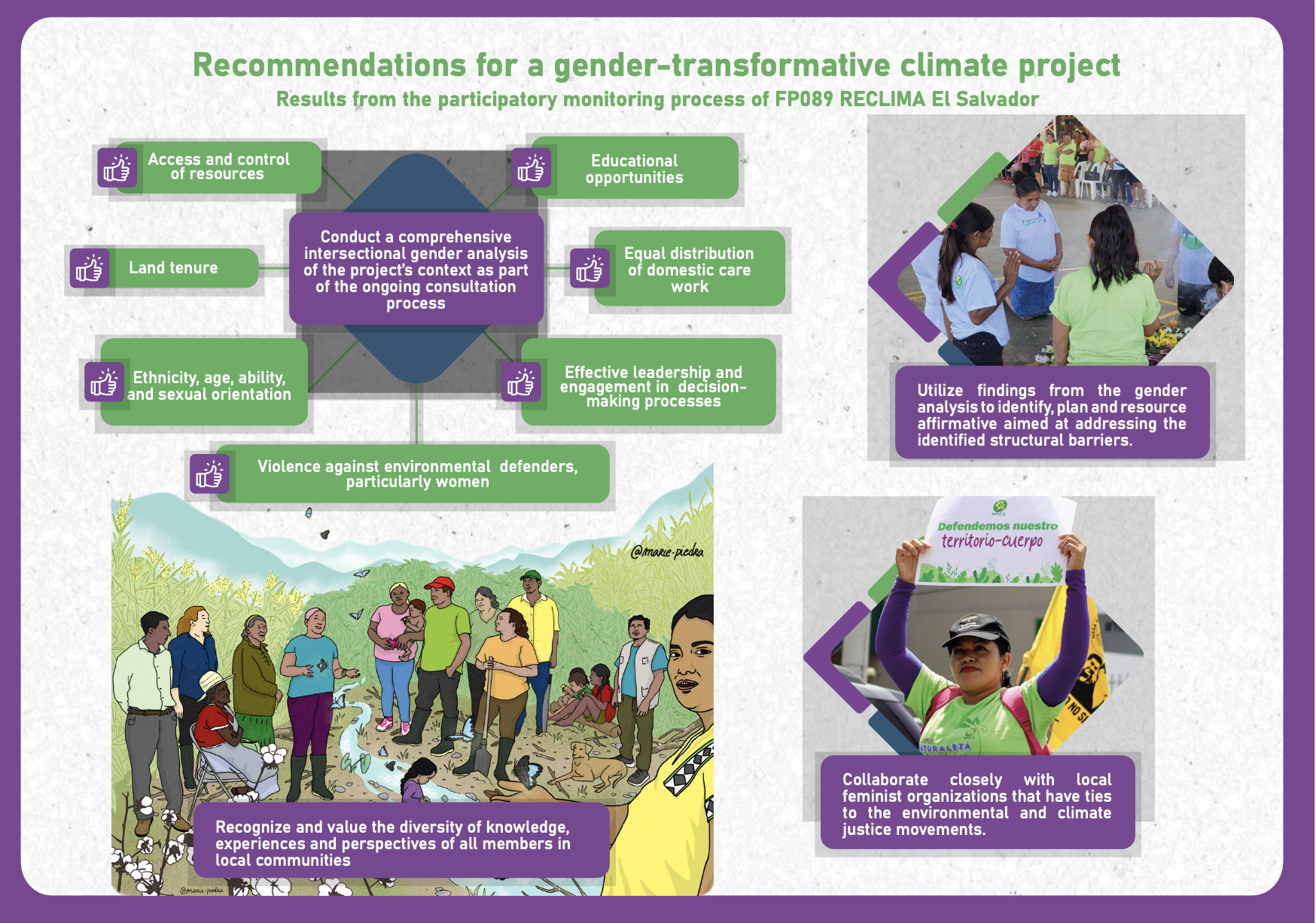
Infographic: AIDA. Illustrations: @marie-piedra12
How to support participatory monitoring of climate finance
Support participatory monitoring of climate projects and champion transparent, inclusive, and gender-responsive processes that place local communities at the center of decision-making. The experience of RECLIMA, supported by AIDA and its allied organizations, shows that community-led oversight, especially when it incorporates the voices of women and gender-diverse groups, strengthens the credibility, accountability, and justice of climate finance, and helps every Green Climate Fund project deliver on its commitments.
“Whatever the case may be, the way you tell your story online can make all the difference.”
Connect with the organization

Email: aida@aida-americas.org
Social Media: Facebook | Youtube | Instagram
Website: aida-americas.org/en
Share this story on social media


